Why Audio Is the Fastest-Growing Channel for Brand Building in 2026
Podcast marketing has evolved from a niche hobby into one of the most powerful brand-building tools available to businesses of any size — and in 2026, the numbers make that impossible to ignore.
According to Edison Research’s 2026 Infinite Dial report, over 135 million Americans now listen to podcasts monthly, representing more than 47% of the U.S. population aged 12 and older. Globally, the podcast audience has surpassed 500 million active listeners. Meanwhile, Spotify’s internal data shows that podcast listeners are 22% more likely to follow a brand after hearing it featured in audio content compared to display advertising. These aren’t vanity metrics — they signal a fundamental shift in how people consume information and connect with brands.
What makes podcast marketing uniquely powerful is intimacy. When someone puts your voice in their ears during their morning commute, workout, or lunch break, you’re not interrupting them — you’re a guest they invited. That trust translates directly into brand affinity, audience loyalty, and ultimately, revenue. Whether you’re a startup founder, a digital marketer, or a seasoned entrepreneur, understanding how to harness audio content strategically can give you a measurable competitive edge.
This guide breaks down everything you need to build, grow, and monetize a podcast marketing strategy that actually works — from choosing your format to distributing content across the right channels and measuring real ROI.
Building a Podcast Strategy That Aligns With Your Brand Goals
Before you buy a microphone or record a single episode, you need a strategy. Too many brands launch podcasts with enthusiasm and abandon them within six months because they never defined what success looked like. Podcast marketing works best when it’s rooted in clear brand objectives and a deep understanding of your target audience.
Defining Your Podcast’s Core Purpose
Start with one honest question: what do you want your podcast to do for your business? The answer shapes everything else. There are three primary purposes a branded podcast can serve:
- Thought leadership: Positioning your brand or founders as authoritative voices in your industry. This works especially well for B2B companies, consultants, and SaaS brands.
- Community building: Creating a recurring touchpoint that keeps your existing audience engaged and deepens relationships over time.
- Lead generation and sales support: Using the podcast as a top-of-funnel content asset that drives listeners toward products, services, or email lists.
Most successful branded podcasts serve more than one purpose, but they prioritize one above the others. That prioritization dictates your content format, episode length, guest selection, and call-to-action strategy.
Choosing the Right Format for Your Audience
Podcast formats are not one-size-fits-all, and the wrong format can undermine even the most brilliant content strategy. The most common and effective formats for brand podcasts in 2026 include:
- Interview-based: You bring in expert guests relevant to your industry. This format builds credibility, generates shareable content when guests promote episodes, and requires less solo preparation. Ideal for brands that want consistent content and network-building benefits.
- Solo commentary: You or a brand spokesperson speaks directly to listeners. This format builds the strongest personal brand connection but demands excellent delivery and consistent content depth.
- Co-hosted conversations: Two or more hosts discuss topics together, creating natural dialogue and chemistry. This is highly engaging but requires scheduling coordination and strong on-air rapport.
- Narrative storytelling: Scripted or semi-scripted storytelling, often documentary-style. This format performs exceptionally well for premium brand experiences but requires the most production effort.
For most brands entering podcast marketing, the interview format offers the best balance of quality, consistency, and growth potential — especially early on when your guest’s existing audience can help you build listeners organically.
Nailing Your Niche and Listener Persona
The biggest mistake new podcast marketers make is going too broad. A podcast about “business and entrepreneurship” competes with thousands of established shows. A podcast about “scaling e-commerce brands using AI-powered supply chain tools” serves a specific, underserved audience who will become highly loyal listeners. Use your existing customer data, social media analytics, and keyword research tools to validate your niche before committing to it. Specificity is not a limitation — it’s your competitive advantage.
Production Quality and Content That Keeps Listeners Coming Back
You don’t need a professional recording studio to produce great podcast content — but you do need to clear the baseline quality threshold that modern listeners expect. Poor audio is the number one reason people stop listening to a podcast after the first episode, according to Podcast Insights’ 2025 listener behavior survey.
Essential Equipment for Podcast Marketing in 2026
Your equipment investment doesn’t need to be enormous. A solid starting setup includes:
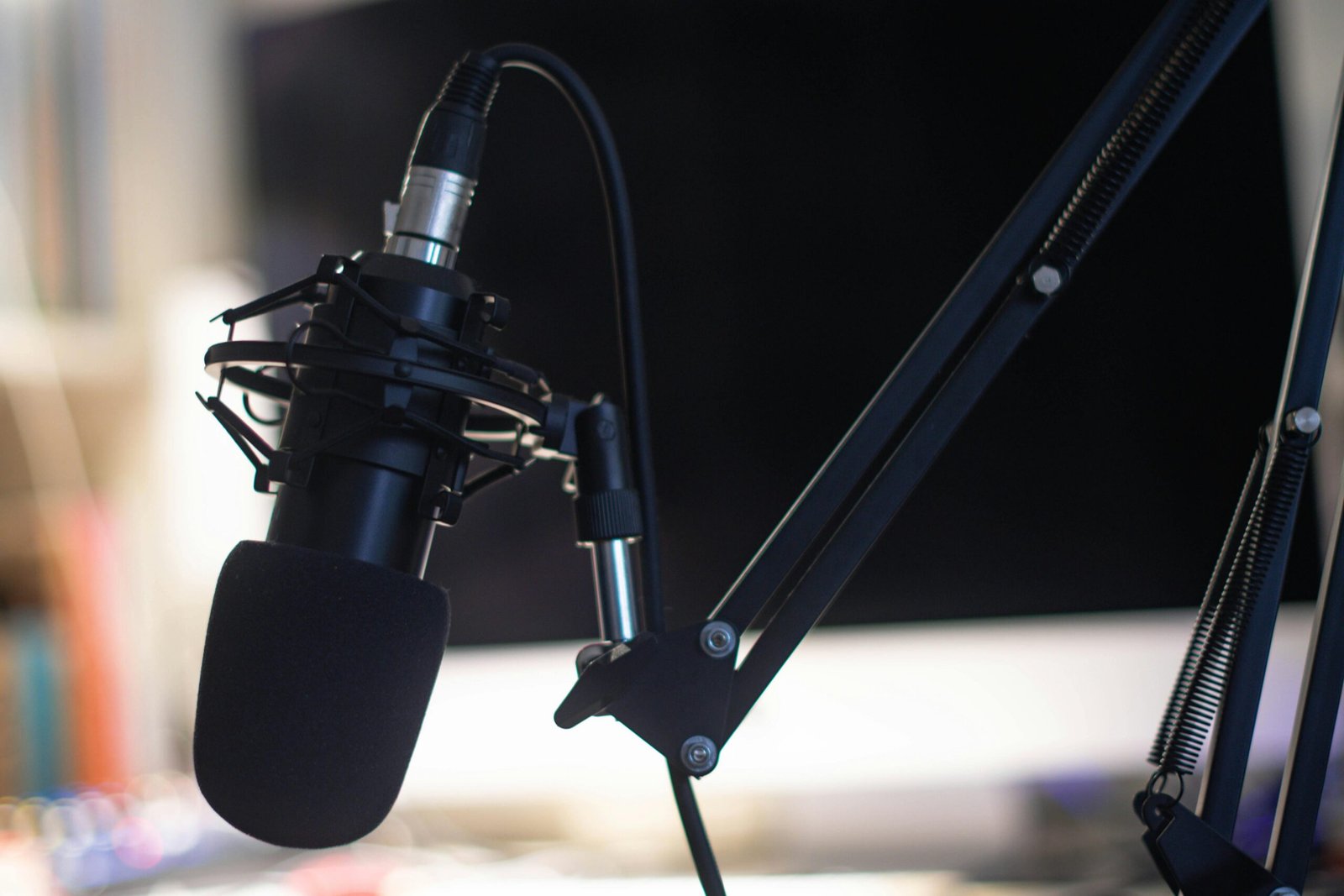
- Microphone: A USB condenser microphone like the Audio-Technica ATR2100x or the Rode NT-USB Mini delivers professional-sounding audio for under $120. If you’re recording interviews remotely, ensure guests also have access to reasonable audio input devices.
- Headphones: Closed-back headphones help you monitor your audio in real time and catch problems before they become permanent.
- Recording environment: Treat your recording space acoustically. Soft furnishings, carpets, and curtains absorb echo. A budget-friendly trick is recording inside a closet full of clothes.
- Recording and editing software: Tools like Descript, Adobe Audition, and GarageBand (free for Mac users) provide powerful editing capabilities. Descript’s AI-powered transcription and editing features have become particularly popular in 2026 for their time-saving workflows.
- Remote recording: Platforms like Riverside.fm and SquadCast record both video and audio locally on each participant’s device, eliminating the quality loss from internet-based streaming.
Creating Episodes That Deliver Consistent Value
Consistency beats perfection in podcast marketing. Publishing on a predictable schedule — whether weekly, biweekly, or monthly — trains your audience to expect and anticipate your content. An editorial calendar helps you plan episodes around product launches, seasonal trends, industry events, and promotional campaigns so your podcast becomes an integrated part of your broader marketing strategy rather than an isolated asset.
Structure each episode deliberately. Open with a hook that tells listeners exactly what they’ll gain by staying tuned. Deliver substantive content in the middle. Close with a clear, singular call to action — whether that’s subscribing, visiting a landing page, or joining your email list. Listener retention data consistently shows that episodes with strong narrative structure outperform unscripted rambling, regardless of topic quality.
Repurposing Audio Into a Content Ecosystem
One of the most underutilized advantages of podcast marketing is how naturally audio content repurposes across other channels. A single 45-minute episode can generate a week’s worth of content across multiple platforms:
- A full transcript turned into a long-form blog post optimized for search
- Three to five short audiogram clips for Instagram Reels and TikTok
- A thread of key insights posted to LinkedIn or X (formerly Twitter)
- Pull quotes designed as branded graphics for Pinterest and Instagram
- A summary email sent to your newsletter subscribers
This repurposing approach multiplies the reach of every episode without requiring proportionally more effort, making podcast marketing one of the highest-ROI content investments available to brands in 2026.
Distribution, Discoverability, and Growing Your Listener Base
Great content that nobody finds is a wasted investment. Distribution and discoverability are where many brand podcasts stall — and where a smart strategy separates growing shows from stagnant ones.
Submitting to All Major Podcast Platforms
Your podcast should be available everywhere listeners already spend their time. In 2026, the dominant platforms by active listener share are Spotify (31%), Apple Podcasts (23%), Amazon Music and Audible (14%), YouTube Podcasts (18%), and a combined share across platforms like iHeart, Pocket Casts, and Overcast. Hosting platforms like Buzzsprout, Podbean, and RSS.com distribute your feed to all major directories automatically — use one of these rather than managing submissions manually.
YouTube deserves special attention. YouTube Podcasts has grown significantly in the last two years, and uploading your episodes as video content — even with a simple static image or basic video of the recording — dramatically increases discoverability through Google search and YouTube’s recommendation algorithm. If you’re recording video already through Riverside.fm, repurposing to YouTube is minimal additional effort.
SEO for Podcasts: Getting Found by the Right Listeners
Podcast SEO is no longer optional. Spotify and Apple Podcasts both use keyword-matching algorithms to surface shows in search results, meaning your show title, episode titles, and episode descriptions need strategic keyword inclusion. Research terms your target audience actually searches for using tools like Keysearch, Ubersuggest, or even the autocomplete suggestions within Spotify’s own search bar.
Your show notes are particularly valuable for discoverability. Well-written show notes of 300 to 500 words per episode, published on your own website, create indexable content that Google can rank in organic search. This creates a compounding SEO benefit — your podcast grows your website’s organic traffic, and your website’s organic traffic grows your podcast’s listener base.
Leveraging Guest Relationships for Audience Growth
When you interview a guest who has an established audience, you gain access to a warm, relevant listener base when they promote the episode. Maximize this by making it extremely easy for guests to share: provide them with pre-written social copy, audiogram clips, pull quote graphics, and a direct link to the episode. Guests who receive a professional, polished package are far more likely to share enthusiastically — and their audience becomes yours.
Monetization and Measuring Podcast Marketing ROI
One of the most common objections to podcast marketing is that it’s hard to measure. That concern is increasingly outdated. Modern podcast analytics platforms provide detailed listener data, and brands that track the right metrics can clearly connect their podcasts to business outcomes.
Direct and Indirect Monetization Models
Podcast monetization operates on two tracks. Direct monetization generates revenue from the podcast itself:
- Host-read sponsorships: Brands pay to have their products or services mentioned by the host. CPM (cost per thousand listeners) rates for host-read ads range from $18 to $50 for mid-roll placements on niche shows with engaged audiences in 2026.
- Listener subscriptions: Platforms like Patreon, Supercast, and Spotify’s subscription features allow you to offer premium content, ad-free episodes, or bonus material to paying subscribers.
- Live events and workshops: Popular podcasts can monetize their audience through in-person or virtual events, often commanding premium ticket prices from highly engaged listeners.
Indirect monetization — which is often more valuable for branded podcasts — measures the business outcomes the podcast drives: new leads captured, email subscribers gained, demo requests generated, and customer lifetime value increased among podcast-listening customers versus non-listeners. HubSpot’s 2025 content marketing study found that B2B brands with active podcasts reported 23% higher customer retention rates compared to those relying solely on written content.
Key Metrics Every Podcast Marketer Should Track
Move beyond vanity metrics like total downloads. The metrics that actually measure podcast marketing effectiveness include:
- Listener completion rate: What percentage of listeners finish each episode? Completion rates above 70% indicate highly engaging content.
- New listener acquisition rate: Are you growing your audience month over month? Consistent growth of 10 to 15% monthly is a healthy benchmark for a show under two years old.
- Call-to-action conversion rate: How many listeners click your links, use your promo codes, or sign up for your offers? Use unique tracking URLs for each episode to attribute conversions accurately.
- Subscriber growth correlation: Track whether email list or social media growth spikes after new episodes drop.
Tools like Spotify for Podcasters, Apple Podcasts Connect, Chartable, and Podtrac provide much of this data natively or through integrations. Setting up UTM parameters on all your episode links gives you additional granularity within Google Analytics or your preferred analytics platform.
Advanced Podcast Marketing Tactics for Accelerated Growth
Once your foundational strategy is running smoothly, these advanced tactics can accelerate your brand’s growth significantly.
Podcast Guesting as a Parallel Strategy
You don’t need your own show to benefit from podcast marketing. Appearing as a guest on established podcasts in your industry delivers many of the same brand-building benefits — credibility, audience reach, and trust — without the ongoing production commitment. Identify shows that serve your target audience, craft a compelling pitch that emphasizes the specific value you bring to their listeners, and build a media kit that makes the host’s decision easy. Consistent podcast guesting combined with your own show creates a powerful one-two punch for brand visibility.
AI-Powered Podcast Tools in 2026
Artificial intelligence has transformed podcast production workflows dramatically. Current AI tools allow brands to automatically generate transcripts, create chapter markers, produce social media clips, translate episodes into multiple languages, and even create synthetic highlight reels optimized for different platforms. Tools like Descript, Opus Clip, and Podcastle integrate AI throughout the production pipeline, reducing post-production time by an estimated 60% compared to fully manual workflows. For brands producing high volumes of audio content, AI integration isn’t optional — it’s competitive necessity.
Cross-Promotion and Podcast Swaps
Partnering with complementary (non-competing) podcasts for cross-promotional arrangements is one of the fastest organic growth strategies available. A podcast swap involves each show running a short promotional clip or guest segment for the other, exposing both audiences to new content they’re likely to enjoy. These arrangements cost nothing but require genuine alignment in audience demographics and content quality — a mismatch will generate unsubscribes, not loyal listeners.
Podcast marketing, when executed with strategic intent and consistent quality, creates compounding returns. Every episode you publish adds to a permanent, searchable library of brand content. Every guest relationship opens new audience doors. Every listener who trusts your voice becomes a warmer prospect for everything your brand offers. The brands investing in audio today are building durable competitive advantages that will be increasingly difficult for later entrants to replicate.
Frequently Asked Questions About Podcast Marketing
How long does it take to see results from podcast marketing?
Most brands begin seeing measurable results from podcast marketing within three to six months of consistent publishing. Early metrics like listener growth and social engagement appear first, while downstream business outcomes — lead generation, email subscriber growth, and customer acquisition — typically become trackable after six to twelve months. Consistency is the most important factor; brands that publish regularly and promote actively see results significantly faster than those with irregular schedules. Think of podcast marketing as a compounding asset: the longer you invest, the greater the returns.
How much does it cost to start a podcast for my brand?
You can launch a professional-quality branded podcast for between $200 and $600 in initial equipment costs, plus $15 to $30 per month for podcast hosting. This budget covers a quality USB microphone, headphones, basic acoustic treatment, and a reliable hosting platform. More advanced setups with video recording capabilities, professional editing software subscriptions, and dedicated recording equipment can run $1,500 to $5,000 — but these are not necessary at launch. Many successful brand podcasts started with modest equipment and scaled production investment as their audience grew.
Do I need to be a great speaker to host a podcast?
Strong speaking skills help, but they are not a prerequisite for podcast marketing success. Most people improve dramatically within the first twenty episodes simply through practice and listening back to their recordings. The more important qualities are genuine expertise in your subject matter, authentic enthusiasm for the topic, and a commitment to delivering real value to listeners. Listeners forgive verbal imperfections far more readily than they forgive shallow content. If speaking on camera or microphone feels genuinely uncomfortable, consider a co-hosted format where another team member takes the lead — or begin as a guest on other podcasts to build confidence before launching your own show.
What episode length works best for podcast marketing?
Episode length should match your content format and audience behavior rather than following a rigid rule. Interview-based shows typically perform well between 35 and 60 minutes, giving enough time for substantive conversation without overstaying welcome. Solo commentary shows can be highly effective in tighter 10 to 20 minute formats, particularly for busy professional audiences. Narrative storytelling episodes often run 25 to 45 minutes. The most important principle is that your episode should be exactly as long as the content justifies — never padded to hit a target length, and never cut short when the conversation still has value to deliver.
Should I launch a video podcast or audio only?
In 2026, launching with video is strongly recommended if your resources allow it. YouTube’s growth as a podcast discovery platform means that video episodes receive significantly more organic reach than audio-only content. Video also gives you superior repurposing flexibility — short clips perform well across YouTube Shorts, Instagram Reels, LinkedIn video, and TikTok in ways that audio clips cannot match. Platforms like Riverside.fm make high-quality remote video recording accessible and affordable. If budget or technical constraints make video genuinely prohibitive at launch, start audio-only and add video as soon as possible rather than delaying your launch indefinitely.
How do I get more listeners for my podcast?
Growing a podcast audience requires a multi-pronged approach. First, optimize your show for discoverability by using relevant keywords in your show title, episode titles, and descriptions across all platforms. Second, leverage your existing audience by promoting new episodes consistently across your email list, social media channels, and website. Third, use guest appearances strategically — both inviting guests with established audiences and appearing as a guest on other podcasts. Fourth, engage your current listeners actively by encouraging reviews, responding to listener messages, and building a community around your content. Finally, consider paid promotion through podcast advertising networks once you have a validated content format, as cross-promotion within the podcast ecosystem consistently delivers qualified listeners.
Is podcast marketing effective for B2B brands?
Podcast marketing is exceptionally effective for B2B brands — arguably more so than for many B2C applications. B2B buyers make high-consideration decisions over extended time horizons, making trust and credibility the most valuable currencies in B2B marketing. A podcast that consistently delivers expert insight builds exactly that trust over time, positioning your brand as the natural choice when buying decisions arise. B2B podcast listeners are also typically senior professionals with significant purchasing influence. LinkedIn’s 2025 B2B Content Report found that decision-makers who regularly listen to industry podcasts are 47% more likely to request a vendor demo compared to those who primarily consume written content, making podcast marketing a powerful component of any B2B demand generation strategy.
Podcast marketing in 2026 sits at the intersection of content marketing, personal branding, and community building — and brands that master all three dimensions will find themselves with audiences that competitors simply cannot reach through traditional advertising. The barrier to entry remains low while the strategic upside continues to grow. Whether you’re starting your first episode or optimizing a show you’ve already built, the opportunity to grow your brand through audio has never been more accessible or more rewarding. Start with strategy, commit to consistency, obsess over listener value, and the compounding returns will follow.
This article is for informational purposes only. Always verify technical information and consult relevant professionals for specific advice regarding your business, marketing strategy, or technology implementation.
Leave a Reply