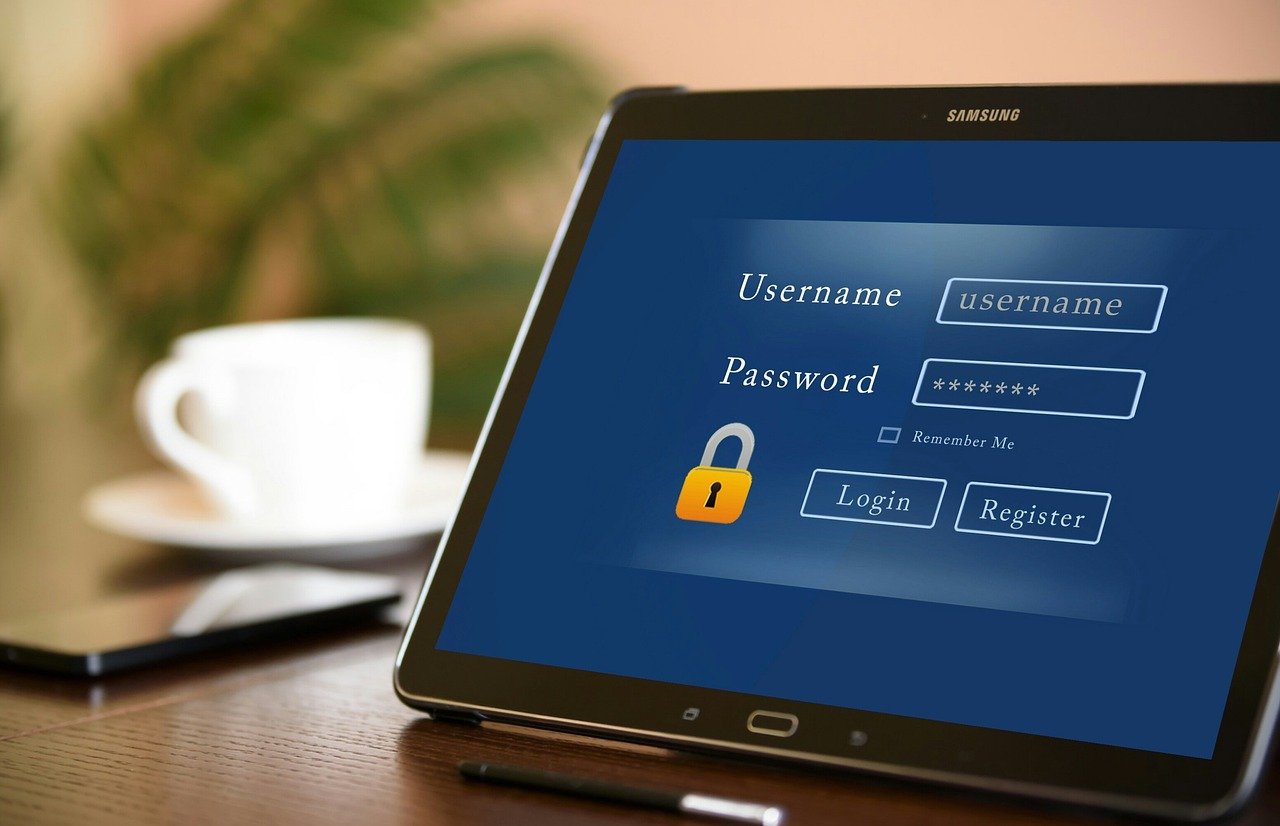
Cybersecurity is the practice of protecting systems, networks, and data from digital attacks — and in 2026, it has become one of the most critical disciplines in modern life.
The Digital Threat Landscape Has Never Been More Dangerous
We live in a world where nearly every aspect of daily life — banking, healthcare, communication, shopping, and even home appliances — is connected to the internet. That connectivity is enormously convenient, but it comes with a cost. Cybercriminals, state-sponsored hackers, and opportunistic fraudsters are constantly probing for weaknesses in our digital infrastructure. According to Cybersecurity Ventures, global cybercrime damages are projected to reach $10.5 trillion annually by 2025, making it more profitable than the entire global illegal drug trade combined.
The threat is not abstract. In 2024 alone, major data breaches exposed hundreds of millions of records across healthcare, finance, and retail sectors. By 2026, the attack surface has expanded dramatically thanks to the explosion of Internet of Things (IoT) devices, AI-generated phishing campaigns, and increasingly sophisticated ransomware operations. Understanding what cybersecurity actually is — and why it matters to you personally — has never been more important.
Breaking Down What Cybersecurity Actually Covers
Cybersecurity is not a single tool or a one-time fix. It is a broad discipline made up of multiple interconnected domains, each addressing different vulnerabilities in our digital lives. Think of it less like a lock on a door and more like an entire security system for a building — cameras, alarms, guards, and protocols working together.
Network Security
Network security focuses on protecting the infrastructure that allows computers and devices to communicate. This includes firewalls, intrusion detection systems, virtual private networks (VPNs), and protocols that monitor and control incoming and outgoing traffic. For businesses, a compromised network can mean total operational shutdown within hours.
Endpoint Security
Every device that connects to a network — laptops, smartphones, tablets, smart TVs — is called an endpoint. Endpoint security involves protecting each of these devices from malware, unauthorized access, and data theft. With remote work now a permanent fixture in most industries, endpoint security has become a frontline priority for organizations of every size.
Cloud Security
As businesses and individuals move their data and applications to cloud platforms like AWS, Microsoft Azure, and Google Cloud, securing that data becomes a shared responsibility between the cloud provider and the user. Misconfigured cloud storage buckets alone have exposed billions of sensitive records in recent years. Cloud security practices include encryption, identity management, and continuous monitoring.
Application Security
Apps are full of potential vulnerabilities — from the social media platform on your phone to the enterprise software your company relies on. Application security involves identifying and fixing these vulnerabilities during development and after deployment through regular testing, code reviews, and security patches.
Information Security and Data Privacy
This domain is specifically concerned with protecting the confidentiality, integrity, and availability of data — often referred to as the CIA triad. It covers everything from how organizations store and handle your personal information to how governments regulate data usage through laws like GDPR in Europe and various state-level privacy acts across the United States.
Why Cybersecurity Matters in 2026 More Than Ever Before
You might be thinking: cybersecurity has been important for years, so what makes 2026 different? The answer lies in three converging forces: the rise of artificial intelligence as both a weapon and a defense tool, the expansion of critical infrastructure vulnerabilities, and the growing sophistication of attacks targeting everyday people — not just corporations.
AI Has Changed the Game — For Both Sides
Artificial intelligence has fundamentally altered the cybersecurity landscape. On the defensive side, AI-powered security tools can now detect anomalous behavior in real time, identify zero-day threats, and automate responses faster than any human team. But attackers are using the same technology. AI-generated phishing emails are now virtually indistinguishable from legitimate communications. Deepfake audio and video are being used in business email compromise scams, tricking employees into transferring funds or sharing credentials. The IBM Cost of a Data Breach Report found that the average cost of a data breach reached $4.88 million in 2024, with AI-assisted attacks contributing to faster and more damaging intrusions.
Critical Infrastructure Is Under Active Attack
Power grids, water treatment facilities, hospitals, and financial systems are all targets. In 2021, the Colonial Pipeline ransomware attack disrupted fuel supplies across the US East Coast. By 2026, similar attacks on hospitals and energy providers have demonstrated that cybersecurity failures have real-world, life-threatening consequences. Governments across the US, UK, Canada, Australia, and New Zealand have significantly increased cybersecurity spending and regulation in response, but the threat continues to outpace many defenses.
Ordinary People Are Primary Targets
A persistent myth is that hackers only go after big companies. In reality, individuals are often the easiest targets. Credential stuffing attacks — where criminals use leaked username and password combinations to break into accounts — affect millions of people every year. Identity theft, account takeovers, and financial fraud are overwhelmingly directed at regular consumers. According to the Identity Theft Resource Center, data breaches in 2023 hit an all-time record of over 3,200 incidents in the United States alone, affecting tens of millions of individuals.
Common Cyber Threats You Need to Understand
Knowing the terminology and tactics attackers use is the first step toward meaningful protection. Here are the threats most relevant to individuals and small businesses in 2026.
- Phishing: Deceptive emails, texts, or calls designed to trick you into revealing passwords, financial information, or clicking malicious links. AI has made phishing messages far more convincing and personalized.
- Ransomware: Malicious software that encrypts your files and demands payment to restore access. Ransomware-as-a-service has lowered the technical barrier for criminals, making attacks more frequent.
- Malware: A broad category of harmful software including viruses, trojans, spyware, and adware that infiltrate systems to steal data, cause damage, or enable unauthorized access.
- Man-in-the-Middle (MitM) Attacks: When an attacker intercepts communication between two parties — often on unsecured public Wi-Fi — to eavesdrop or alter the exchange.
- Social Engineering: Psychological manipulation that exploits human trust rather than technical vulnerabilities. This includes pretexting, baiting, and impersonation scams.
- Zero-Day Exploits: Attacks that target previously unknown software vulnerabilities before developers have had a chance to patch them, making them particularly dangerous.
- Credential Stuffing: Automated use of stolen username and password combinations to gain unauthorized access to accounts across multiple platforms.
Practical Steps to Strengthen Your Cybersecurity Right Now
Understanding threats is only useful if it leads to action. The good news is that most successful cyberattacks exploit basic security failures — and most of those failures are preventable with consistent, straightforward practices.
Use Strong, Unique Passwords and a Password Manager
Reusing passwords across accounts is one of the most dangerous habits in digital life. If one account is breached, every other account with the same password becomes vulnerable. A password manager like Bitwarden, 1Password, or Dashlane generates and stores complex, unique passwords for every account, requiring you to remember only one master password. This single change dramatically reduces your attack surface.
Enable Multi-Factor Authentication Everywhere
Multi-factor authentication (MFA) adds a second layer of verification beyond your password — typically a code sent to your phone or generated by an app like Google Authenticator or Authy. Even if an attacker obtains your password, MFA prevents them from accessing your account. Enable it on every service that offers it, prioritizing email, banking, and social media accounts first.
Keep Software and Devices Updated
Software updates are often dismissed as inconvenient, but they frequently contain critical security patches. The WannaCry ransomware attack that devastated organizations worldwide in 2017 exploited a Windows vulnerability for which a patch had already been released — many victims simply hadn’t applied it. Set your operating systems, browsers, and apps to update automatically wherever possible.
Be Skeptical of Unsolicited Communications
Treat every unexpected email, text, or phone call asking you to click a link, provide credentials, or transfer money as suspicious until verified. Legitimate organizations — including banks, government agencies, and major tech companies — will never ask for your password via email. When in doubt, go directly to the official website rather than following links in messages.
Use a VPN on Public Networks
Public Wi-Fi in cafes, airports, and hotels is notoriously insecure. A reputable VPN encrypts your internet traffic, making it significantly harder for attackers to intercept your data. This is especially important if you handle any sensitive information — work documents, banking, or personal communications — while away from a trusted network.
Back Up Your Data Regularly
If ransomware encrypts your files or a device is lost or damaged, a recent backup means the difference between a minor inconvenience and a catastrophic loss. Follow the 3-2-1 rule: keep three copies of your data, on two different types of media, with one copy stored offsite or in the cloud.
Cybersecurity Careers and the Growing Skills Gap
For those considering a career in technology, cybersecurity represents one of the most in-demand and well-compensated fields available. The global cybersecurity workforce gap remains significant — there are currently millions of unfilled cybersecurity positions worldwide, and that shortage is expected to persist well into the 2030s as digital infrastructure continues to expand.
Entry points into the field include certifications like CompTIA Security+, Certified Ethical Hacker (CEH), and the highly respected Certified Information Systems Security Professional (CISSP). Many universities across the US, UK, Canada, Australia, and New Zealand now offer dedicated cybersecurity degree programs. Roles range from penetration testers and security analysts to chief information security officers (CISOs) and cloud security architects, with salaries that routinely exceed six figures in major markets.
The field also values hands-on experience. Platforms like TryHackMe, Hack The Box, and SANS Institute provide practical labs and challenges that build real-world skills. In 2026, employers increasingly value demonstrated competency over credentials alone, making self-directed learning a viable and respected pathway into the profession.
Frequently Asked Questions About Cybersecurity
What is the difference between cybersecurity and information security?
Cybersecurity and information security are closely related but not identical. Information security is a broader concept that covers protecting all forms of information — including physical records and non-digital data — from unauthorized access, disclosure, or destruction. Cybersecurity is specifically focused on protecting digital systems, networks, and data from cyber threats. In practice, the two fields overlap significantly, and the terms are often used interchangeably in professional settings, though purists in the industry do distinguish between them.
Do small businesses really need to worry about cybersecurity?
Absolutely, and in many ways small businesses are more vulnerable than large enterprises. Large corporations typically have dedicated security teams, enterprise-grade tools, and substantial budgets for cyber defense. Small businesses often lack all three, making them attractive targets for attackers who know defenses are weaker. A single ransomware attack or data breach can be financially devastating for a small business — some studies suggest that a significant percentage of small businesses that suffer a major cyberattack close within six months. Basic cybersecurity hygiene — strong passwords, MFA, regular backups, and staff training — can prevent the vast majority of attacks targeting smaller organizations.
What should I do immediately after a data breach?
If you discover or are notified that your data has been compromised, act quickly. First, change the passwords for the affected account and any other accounts where you used the same password. Enable multi-factor authentication if it isn’t already active. Monitor your financial accounts closely for unauthorized transactions. If financial data like credit card numbers or Social Security numbers were exposed, consider placing a credit freeze with the major credit bureaus. Report the breach to relevant authorities if appropriate — in the US, the FTC’s identitytheft.gov is a useful resource. Finally, be extra vigilant about phishing attempts in the weeks following a breach, as attackers often use stolen data to craft more convincing follow-up scams.
Is free antivirus software good enough in 2026?
Free antivirus tools offer a basic level of protection and are certainly better than no protection at all. However, in 2026’s threat environment, they often fall short of what’s needed for comprehensive security. Free versions typically lack real-time threat monitoring, advanced ransomware protection, web filtering, and the frequent update cycles required to address new threats. For individuals handling sensitive financial or personal data, a reputable paid security suite from providers like Norton, Bitdefender, or Malwarebytes Premium offers meaningfully stronger protection. For businesses, enterprise endpoint detection and response (EDR) solutions go further still, providing behavioral analysis and centralized threat management.
How does cybersecurity relate to privacy?
Cybersecurity and privacy are deeply interconnected but serve different purposes. Cybersecurity is about preventing unauthorized access to systems and data — keeping attackers out. Privacy is about controlling how your personal information is collected, used, and shared — even by parties you have authorized access to, like apps and companies. Strong cybersecurity practices protect your privacy by preventing data theft, but they don’t address what organizations do with the data they legitimately collect. Regulations like GDPR in Europe, the CCPA in California, and similar laws in Australia, Canada, and the UK attempt to address the privacy side of the equation by giving individuals rights over their personal data and imposing obligations on organizations that collect it.
What is zero trust security and why is it becoming the standard?
Zero trust is a security model built on the principle of “never trust, always verify.” Traditional network security operated on the assumption that everything inside a network perimeter could be trusted. Zero trust rejects that assumption entirely — it requires continuous verification of every user, device, and application attempting to access resources, regardless of whether they are inside or outside the corporate network. This approach has become increasingly standard because the traditional perimeter has dissolved. Remote work, cloud services, and mobile devices mean there is no longer a clean “inside” and “outside” to a network. Zero trust architectures use identity verification, least-privilege access, micro-segmentation, and continuous monitoring to minimize the damage any single compromised account or device can cause.
Can AI protect me from cyber threats?
AI-powered cybersecurity tools are genuinely powerful and represent a significant step forward in digital defense. They can analyze enormous volumes of network traffic in real time, detect anomalous behavior that would take human analysts days to identify, automate responses to common threats, and adapt to new attack patterns faster than traditional signature-based tools. However, AI is not a silver bullet. As noted earlier, attackers use AI too — to craft more convincing phishing emails, discover vulnerabilities faster, and evade detection. The most effective cybersecurity posture in 2026 combines AI-powered tools with human expertise, strong foundational practices, and a culture of security awareness. Technology alone, however sophisticated, cannot compensate for poor password habits, untrained staff, or neglected software updates.
Cybersecurity in 2026 is not a niche concern for IT professionals — it is a fundamental literacy for anyone who participates in modern digital life. From protecting your personal financial accounts to understanding how critical infrastructure stays operational, the principles and practices of cybersecurity touch everything. The threats are real, the stakes are high, and the good news is that consistent, informed action makes an enormous difference. Whether you are securing your household devices, building out defenses for a growing business, or considering a career in one of technology’s most important fields, the knowledge you build around cybersecurity today will pay dividends for years to come.
Disclaimer: This article is for informational purposes only. Always verify technical information and consult relevant professionals for specific cybersecurity advice tailored to your situation.
Leave a Reply