Category: Uncategorized

  • How to Build Topical Authority for SEO: A Complete Strategy

    How to Build Topical Authority for SEO: A Complete Strategy

    Why Topical Authority Is the Most Powerful SEO Strategy in 2026

    Topical authority is the process of becoming the most trusted, comprehensive source on a subject in Google’s eyes — and in 2026, it’s the single most effective way to dominate search rankings long-term.

    The days of ranking with a handful of keyword-optimised blog posts are over. Google’s Helpful Content System and its increasingly sophisticated understanding of entities, relationships, and expertise have fundamentally changed what it takes to rank. According to a 2025 study by Semrush, websites with deep topical coverage on a subject outrank single-page competitors by an average of 3.8x in competitive niches. Meanwhile, HubSpot’s 2025 State of Marketing report found that brands using topic cluster strategies generate 55% more organic traffic than those relying on isolated keyword targeting.

    If you want sustainable, compounding SEO results — the kind that don’t collapse when an algorithm update hits — building topical authority is not optional. It’s the strategy. This guide walks you through exactly how to do it, from foundational research to content production, internal linking, and long-term maintenance. Whether you’re running a SaaS company, an ecommerce store, a digital marketing agency, or a personal brand, the principles here apply directly to your situation.

    Understanding What Topical Authority Actually Means

    Before building anything, you need a crystal-clear understanding of what topical authority is — and what it is not. Topical authority is not about having the most backlinks, the highest domain rating, or the oldest website. It’s about demonstrating to search engines (and real readers) that your site comprehensively covers a subject from every meaningful angle.

    How Google Evaluates Topic Expertise

    Google’s systems evaluate topical authority through a combination of signals. These include the breadth and depth of your content on a subject, the semantic relationships between your pages, how users interact with your content, and your overall E-E-A-T score — Experience, Expertise, Authoritativeness, and Trustworthiness. Google’s Quality Rater Guidelines explicitly instruct evaluators to assess whether a site is a recognised authority on its topic.

    Think of it this way: if someone searches for any question related to your core subject and your site has a well-structured, accurate answer for it, Google begins to trust your domain as the go-to resource. This trust compounds over time. Each piece of content you publish that fills a gap reinforces your authority signal, making it progressively easier to rank new content faster and with less effort.

    Topical Authority vs. Domain Authority

    This distinction matters enormously. Domain Authority (DA) is a third-party metric created by Moz that estimates overall link strength. Topical authority is Google’s internal assessment of your relevance and expertise within a specific subject area. A brand-new website with zero backlinks can outrank a DA 70 site if it builds deeper, more structured topical coverage. This is particularly good news for newer sites in the USA, UK, Canada, Australia, and New Zealand that are competing against established players.

    Building Your Topical Map: The Foundation of Everything

    A topical map is a structured blueprint of every topic, subtopic, and supporting piece of content your site needs to cover in order to establish authority. Building this map before you write a single word of content is arguably the most important step in the entire process.

    Identifying Your Core Topic and Subtopics

    Start by defining your core topic — the broad subject your site or section of your site is focused on. For example, if you run a digital marketing blog, your core topic might be “SEO.” From there, you identify the major subtopics: on-page SEO, technical SEO, link building, local SEO, content strategy, keyword research, and so on. Each of these subtopics then branches into supporting topics.

    Use the following process to map this out:

    1. Brainstorm all possible questions your target audience might ask about your core topic. Think across beginner, intermediate, and advanced levels.
    2. Use keyword research tools like Ahrefs, Semrush, or Google Search Console to identify real search queries within each subtopic cluster.
    3. Analyse competitor content — not to copy, but to identify gaps they’ve missed that you can own.
    4. Group queries by intent — informational, navigational, commercial, and transactional — so your content serves different stages of the user journey.
    5. Prioritise by traffic potential and relevance, starting with subtopics closest to your core expertise.

    Using Search Intent to Shape Your Content Types

    Not every topic in your map should become a standard blog post. A comprehensive topical map includes a variety of content formats: pillar pages (long, comprehensive guides), cluster content (focused articles on specific subtopics), comparison pages, glossary entries, case studies, and FAQ pages. Matching content format to search intent dramatically improves engagement metrics, which in turn reinforces your topical authority signal with Google.

    For instance, a query like “what is technical SEO” calls for a clear, educational article. A query like “best technical SEO tools 2026” calls for a structured comparison page. A query like “technical SEO audit checklist” calls for a downloadable or step-by-step guide. Getting this alignment right is what separates content that ranks from content that sits idle.

    The Pillar-Cluster Content Model: Executing Your Strategy

    The pillar-cluster model is the most effective structural framework for building topical authority. It organises your content into interconnected hubs that signal comprehensive coverage to search engines while making navigation intuitive for readers.

    Creating Pillar Pages That Command Attention

    A pillar page is a long-form, authoritative piece of content that covers a broad subtopic comprehensively at a high level and links out to all related cluster content. Think of it as the definitive guide to a subject — typically 3,000 to 6,000 words — that answers the major questions while pointing readers toward deeper dives on specific aspects.

    A strong pillar page has several characteristics:

    • It targets a high-volume, broad keyword (e.g., “content marketing strategy”)
    • It provides real, actionable value — not just a summary of what cluster articles contain
    • It includes original insights, data points, and examples relevant to your audience
    • It links internally to every relevant cluster article within the topic
    • It is kept updated regularly to maintain freshness signals

    Writing Cluster Content That Fills Every Gap

    Cluster articles are the supporting content that covers specific questions, subtopics, and long-tail keywords within your pillar topic. Each cluster article should be laser-focused, thoroughly covering its specific angle without trying to do too much. Every cluster article must link back to its parent pillar page, and where relevant, to other cluster articles within the same topic hub.

    In practice, a single pillar topic might have anywhere from 10 to 40 supporting cluster articles depending on the subject’s depth. This is not about volume for its own sake — it’s about leaving no meaningful question in your niche unanswered. According to Ahrefs’ 2025 content analysis, pages that are part of a structured content cluster receive on average 47% more organic traffic than standalone pages targeting equivalent keywords.

    The Role of Internal Linking in Topical Authority

    Internal linking is the connective tissue of topical authority. When your pages link to each other in a logical, contextually relevant way, you’re telling Google’s crawlers exactly how your content relates — which reinforces topic clusters and distributes page authority efficiently across your site.

    Follow these internal linking principles:

    • Always link cluster articles back to their pillar page using the pillar’s target keyword as anchor text
    • Link between related cluster articles where the connection adds genuine value for readers
    • Avoid orphan pages — every piece of content on your site should receive at least one internal link
    • Use descriptive, keyword-rich anchor text rather than generic phrases like “click here”
    • Audit your internal links quarterly and update them as new content is published

    Content Quality and E-E-A-T: What Actually Moves the Needle in 2026

    Publishing more content is not enough. In 2026, Google’s systems are sophisticated enough to distinguish between content that genuinely serves users and content that simply exists to fill a topical map. E-E-A-T — Experience, Expertise, Authoritativeness, and Trustworthiness — is the quality framework that determines whether your content earns ranking power or gets filtered into obscurity.

    Demonstrating Real Experience and Expertise

    The “Experience” component of E-E-A-T, added to Google’s guidelines in 2022 and heavily weighted through 2025 and 2026, requires that content reflect genuine first-hand knowledge. This means sharing real outcomes, original case studies, specific examples from actual practice, and honest assessments — including what hasn’t worked. Generic, surface-level content written purely from secondary research no longer competes in most niches.

    Practically, this means involving subject matter experts in your content creation process. If you’re a digital marketing agency writing about SEO, your content should reflect your team’s actual client results and proprietary insights. If you’re a solo blogger, it means writing from genuine hands-on experience rather than paraphrasing what other blogs have already said. Author bio pages, expert credentials, and transparent sourcing all contribute to your E-E-A-T signal.

    Building Trust Through Consistency and Accuracy

    Trustworthiness is built through consistency — consistent publishing, consistent quality, consistent accuracy, and consistent updates. A site that publishes one exceptional article per week will build more topical authority than a site that floods its blog with mediocre content. Every piece you publish either adds to or subtracts from your credibility in Google’s assessment.

    Make it a standard practice to cite reputable sources, update statistics annually, correct any factual errors promptly, and clearly date your content so readers know how current it is. In industries where information changes rapidly — technology, AI, digital marketing, finance — showing that your content is actively maintained is a significant trust signal both to readers and to search engines.

    Measuring, Maintaining, and Scaling Topical Authority Over Time

    Building topical authority is not a one-time project. It’s an ongoing commitment that requires regular measurement, strategic updates, and intelligent scaling as your site grows. The good news is that the effort compounds — each month of consistent work makes the next month more effective.

    Key Metrics to Track Your Progress

    Tracking the right metrics helps you identify what’s working, what needs improvement, and where your topical gaps remain. Focus on these core indicators:

    • Organic impressions by topic cluster — use Google Search Console to group queries by topic and measure growth in impressions over time
    • Average position for pillar page target keywords — this is your primary ranking health metric for each topic hub
    • Crawl coverage — ensure Google is discovering and indexing all your cluster content
    • Click-through rate (CTR) — strong topical authority improves CTR as your brand becomes recognisable in search results
    • Content gap coverage rate — track what percentage of your topical map has been published and indexed
    • Backlink acquisition by pillar — authoritative external links to your pillar pages significantly amplify topical authority

    Refreshing and Expanding Your Content Over Time

    Google rewards freshness, particularly for topics where information evolves. Build a content maintenance calendar that schedules regular reviews of your pillar pages and high-traffic cluster articles. A practical cadence is to review pillar pages quarterly and cluster content bi-annually, updating statistics, adding new insights, and expanding sections where search intent has evolved.

    As your authority in a topic grows, you can expand into adjacent topics strategically. For example, a site that has established authority in “email marketing” might expand into “marketing automation” and then into “CRM software.” Each expansion leverages your existing authority while carefully maintaining the depth and quality that built it in the first place. Expanding too broadly too quickly is one of the most common mistakes — it dilutes your signal and slows your momentum.

    Frequently Asked Questions

    How long does it take to build topical authority?

    Building meaningful topical authority typically takes between six months and two years, depending on the competitiveness of your niche, the consistency of your publishing schedule, and the quality of your content. Newer websites in less competitive niches can see significant authority signals within six to nine months. Highly competitive industries like finance, health, and enterprise software may require 18 to 24 months of consistent effort before topical authority materially impacts rankings. The key variable is not time alone, but the rate at which you’re filling your topical map with genuinely useful content.

    How many articles do I need to establish topical authority?

    There is no magic number, and anyone who gives you a specific figure without knowing your niche is guessing. The real answer is: you need enough content to comprehensively cover every meaningful question your target audience has within your topic area. In practice, this often means a minimum of one strong pillar page plus 10 to 15 cluster articles per subtopic hub. Some highly competitive topics require 40 or more pieces of content across a cluster before meaningful authority is established. Focus on completeness and quality over hitting an arbitrary number.

    Can a new website build topical authority without backlinks?

    Yes — and this is one of the most encouraging aspects of a topical authority strategy. While backlinks remain an important ranking signal, Google’s systems can and do recognise topical expertise through content structure, internal linking, and user engagement signals even on newer sites with minimal external links. Several well-documented case studies show new sites outranking established competitors purely through superior topical coverage. That said, acquiring high-quality backlinks to your pillar pages will accelerate your authority growth significantly, so it should be part of your broader SEO strategy over time.

    What is the difference between a pillar page and a regular blog post?

    A pillar page is a comprehensive, hub-style resource that covers a broad subtopic at a high level and links out to all related cluster content within that topic. It’s typically longer than a standard post — often 3,000 to 6,000 words — and is designed to serve as a permanent, evergreen reference that is regularly updated. A regular blog post is typically narrower in scope, targeting a specific long-tail question or subtopic. In a well-structured topical authority strategy, blog posts function as cluster content that links back to and supports the pillar page. Both types are essential; neither replaces the other.

    Does topical authority work for ecommerce sites?

    Absolutely. Ecommerce sites that build topical authority around their product categories consistently outperform competitors who rely solely on product and category page optimisation. A sporting goods retailer, for example, can build topical authority around “running gear,” “trail running,” or “marathon training” by publishing comprehensive guides, comparison articles, and buyer resources that answer every question a potential customer might have. This drives organic traffic at every stage of the buying journey and builds brand trust that translates directly into conversion rates. The pillar-cluster model applies equally well to ecommerce content strategies.

    How do I choose which topics to prioritise first?

    Prioritise topics based on three factors: your existing expertise, the commercial relevance to your business goals, and the competitive landscape. Start with the topic area where you have the deepest genuine knowledge — this gives you the best chance of producing content that demonstrates real E-E-A-T signals quickly. Within that topic, choose subtopics with meaningful search volume but moderate competition, so you can build early ranking wins that generate traffic and confidence. Avoid trying to build authority across multiple disconnected topic areas simultaneously — focus is one of the most underrated advantages in topical authority strategy.

    Is topical authority still relevant if I use AI to create content?

    Topical authority is more relevant than ever in 2026, particularly as AI-generated content becomes ubiquitous. The challenge with AI content is that it often produces generic, surface-level coverage that fails to demonstrate the Experience and Expertise components of E-E-A-T. Sites that use AI as a drafting tool while infusing genuine expert insight, original data, and first-hand perspective will build topical authority effectively. Sites that publish raw AI output at scale without editorial quality control will find themselves penalised under Google’s Helpful Content System. The topical authority framework is your best defence against the commoditisation of content — because true depth and expertise cannot be automated.

    Building topical authority for SEO is one of the most powerful long-term investments you can make in your online presence. Unlike tactics that chase algorithm changes or exploit short-term loopholes, topical authority compounds over time — each piece of quality content you publish strengthens the foundation, makes your next piece easier to rank, and builds genuine trust with both search engines and real readers. Start with a clear topical map, commit to the pillar-cluster structure, prioritise E-E-A-T at every step, and measure your progress consistently. The sites that dominate search in 2027 and beyond are building their topical authority right now. There is no better time to begin than today.

    Disclaimer: This article is for informational purposes only. Always verify technical information and consult relevant professionals for specific advice regarding your SEO strategy and digital marketing decisions.

  • Voice Search Optimization: How to Rank for Conversational Queries

    Voice Search Optimization: How to Rank for Conversational Queries

    Why Your Website Is Invisible to Voice Search (And How to Fix It)

    Voice search optimization is no longer optional — by 2026, over 50% of all online searches are conducted using voice, reshaping how businesses must approach SEO and content strategy. If your website isn’t optimized for conversational queries, you’re missing half the search landscape entirely. Whether someone asks their smartphone, smart speaker, or AI assistant a question, the rules of ranking have fundamentally changed. This guide breaks down exactly what voice search optimization means in 2026, why it matters more than ever, and the practical steps you can take to start appearing in spoken search results.

    The Shift to Conversational Search: What’s Actually Happening

    Text-based search and voice search behave very differently, and understanding that gap is the first step toward closing it. When someone types a query, they might enter something like “best coffee shops London.” When they speak the same query, it becomes “What are the best coffee shops near me in London?” — a full sentence, often phrased as a question, loaded with natural language patterns.

    According to data from Google and third-party analytics platforms, voice queries are on average 29 words longer than typed queries. This isn’t trivial. It means your keyword strategy, your content structure, and your page formatting all need to reflect how humans actually talk, not how they type shorthand into a search bar.

    The rise of AI-powered assistants — including Siri, Alexa, Google Assistant, and newer large language model-based tools — has accelerated this shift dramatically. These assistants pull answers from websites, and they tend to favor sources that are clear, concise, authoritative, and structured in a way that matches natural spoken questions. The websites winning in voice search in 2026 are those that anticipated this shift years ago and built their content accordingly.

    Who Is Actually Using Voice Search?

    Voice search usage is highest among mobile users, smart home device owners, and younger demographics aged 18 to 44. However, adoption among adults over 55 has surged significantly due to accessibility benefits — voice is simply easier than typing for many users. In English-speaking markets like the USA, UK, Canada, Australia, and New Zealand, smart speaker ownership has crossed 40% of households, meaning a significant portion of local searches now bypass screens entirely. This has enormous implications for local businesses, service providers, and content publishers alike.

    Conversational Keyword Research: Finding How People Actually Talk

    Traditional keyword research focuses on search volume and competition. Conversational keyword research adds a third dimension: intent phrasing. The goal is to find not just what people are searching for, but exactly how they phrase it when speaking aloud.

    Long-Tail and Question-Based Keywords

    Voice search queries tend to be highly specific, often phrased as complete questions. Tools like AnswerThePublic, AlsoAsked, and Google’s People Also Ask section are invaluable for uncovering these natural language patterns. You’re looking for queries that start with who, what, where, when, why, and how — the six pillars of conversational search intent.

    For example, if you run a financial advice website, instead of targeting the keyword “investment tips,” you should also optimize for phrases like “What are the best ways to invest money in 2026?” or “How do I start investing with a small budget?” These longer, question-based queries reflect real voice search behavior and are often less competitive than their short-form counterparts.

    Local Intent and Near-Me Queries

    A significant portion of voice searches carry local intent. Queries like “Where is the nearest pharmacy open right now?” or “Which plumber near me has the best reviews?” are extremely common. Research from BrightLocal found that 76% of people who conduct a local voice search visit a business within 24 hours. This makes local voice search optimization one of the highest-converting SEO activities available to small and medium-sized businesses.

    To capture this traffic, ensure your Google Business Profile is fully optimized with accurate hours, services, location data, and customer reviews. Use schema markup to help search engines understand your physical location and the services you offer. Incorporate city and neighborhood names naturally into your content rather than forcing them awkwardly into meta tags.

    On-Page Optimization Strategies for Voice Search

    Getting your content to appear in voice search results requires a specific approach to how you structure and write pages. Voice assistants typically read out a single answer — not a list of links — so your goal is to be that answer.

    Structuring Content for Featured Snippets

    Featured snippets — those answer boxes that appear at the top of Google results — are the primary source for voice search responses. When a voice assistant reads out an answer, it is almost always pulling from a featured snippet. This makes snippet optimization central to your voice search strategy.

    To increase your chances of earning a featured snippet, structure your content to directly answer a specific question within the first 40 to 60 words of a section. Use the question itself as a subheading, then follow it with a concise, clear answer. After the direct answer, you can expand into more detail. This inverted pyramid structure — answer first, context second — is exactly what both Google’s algorithms and voice assistants are looking for.

    • Use question-based H2 and H3 headings throughout your content to signal to search engines that you’re answering specific queries.
    • Write in plain, conversational language — aim for a reading level that a 12-year-old could understand without losing accuracy.
    • Keep paragraph answers short — 40 to 60 words is the sweet spot for featured snippet capture.
    • Use numbered lists and bullet points for step-by-step answers, which voice assistants can read sequentially.
    • Include your target question verbatim somewhere on the page — not just variations — so search engines can match it directly to voice queries.

    Page Speed and Mobile Performance

    The vast majority of voice searches happen on mobile devices. Google’s Core Web Vitals remain a critical ranking factor in 2026, and slow pages are actively deprioritized in voice search results. Your Largest Contentful Paint (LCP) should be under 2.5 seconds, your Cumulative Layout Shift (CLS) should be below 0.1, and your Interaction to Next Paint (INP) — which replaced First Input Delay in 2024 — should be under 200 milliseconds.

    Run your site through Google’s PageSpeed Insights regularly. Compress images, eliminate render-blocking scripts, use a reliable CDN, and consider switching to a faster hosting provider if your scores are consistently poor. A technically sound website is the foundation without which no amount of content optimization will matter for voice search.

    Schema Markup and Structured Data: Speaking Google’s Language

    Schema markup is HTML code that you add to your pages to help search engines understand what your content means, not just what it says. For voice search optimization, schema is one of the most powerful tools available — and one of the most underused by mid-sized websites.

    The Most Important Schema Types for Voice Search

    Different types of schema serve different voice search use cases. Here are the schema types that have the greatest impact on conversational query rankings:

    • FAQPage schema — Marks up question-and-answer content, making it directly accessible to voice assistants pulling structured answers.
    • HowTo schema — Structured for step-by-step instructions, perfect for “how do I” voice queries.
    • LocalBusiness schema — Essential for local voice search, covering address, phone, hours, and service area.
    • Speakable schema — Specifically designed to indicate which sections of your content are suitable for text-to-speech output. While still emerging, it is gaining traction with Google Assistant and similar platforms.
    • Review and Rating schema — Builds credibility and appears in voice responses when assistants evaluate business quality.

    Implementing schema doesn’t require advanced coding knowledge. Google’s Structured Data Markup Helper provides a visual interface for generating the correct code, and plugins like Yoast SEO and Rank Math for WordPress handle many schema types automatically. After implementation, test your markup using Google’s Rich Results Test to confirm it’s working correctly.

    Natural Language Processing and Semantic SEO

    Voice search optimization in 2026 is deeply tied to semantic SEO — the practice of optimizing content around topics and meaning rather than individual keywords. Modern search engines use Natural Language Processing (NLP) to understand the context, intent, and relationships between words. This means you need to cover a topic comprehensively, using related terms and concepts naturally throughout your content.

    For a page targeting voice searches about home loan rates, for example, you’d want to naturally incorporate related terms like mortgage interest, fixed vs. variable rates, lender comparison, pre-approval process, and repayment terms. This semantic depth signals to search engines that your content is genuinely authoritative on the topic — not just stuffed with a single keyword — making it more likely to be selected as a voice search answer.

    Content Formats That Win in Voice Search

    Not all content is equal when it comes to voice search. Certain formats consistently outperform others in earning voice responses, and structuring your content strategy around these formats will give you a measurable competitive advantage.

    FAQ Pages: The Voice Search Goldmine

    Frequently Asked Questions pages are among the highest-performing content formats for voice search, precisely because they mirror the way people speak to voice assistants. A well-structured FAQ page with clear question headings and concise answers is essentially a voice search optimization machine. Each question becomes a potential entry point for a separate voice query, and each answer is formatted exactly as search engines need it.

    Build FAQ sections into your key product and service pages, not just standalone FAQ pages. When a user asks a voice assistant a specific question about your service, you want the answer to come from your website — and a well-placed FAQ block dramatically increases that likelihood.

    Conversational Blog Posts and How-To Guides

    Long-form content that directly addresses conversational queries — written in natural language, using question-based subheadings and clear paragraph structure — performs strongly in voice search. How-to guides are particularly effective because voice search users frequently ask procedural questions: “How do I change a car tire?” or “How do I file a tax return online in Australia?”

    When writing these posts, use the second person (“you”) to maintain a conversational tone. Avoid jargon where possible, and when technical terms are unavoidable, define them briefly. Keep sentences shorter than you might in academic or formal writing — around 15 to 20 words per sentence is ideal for voice-friendly content.

    Podcast Transcripts and Video Descriptions

    Audio and video content is booming, but search engines can’t index sound. Transcribing your podcast episodes and writing detailed video descriptions creates crawlable, voice-search-friendly text that often ranks for the conversational queries your spoken content naturally addresses. This is a compound strategy — you create once and optimize for multiple formats simultaneously.

    Measuring Voice Search Performance in 2026

    One of the persistent challenges in voice search optimization is measurement. Unlike traditional search, voice queries don’t always show up clearly in Google Search Console, because many voice results pull from featured snippets and zero-click positions that don’t generate trackable clicks.

    However, there are practical ways to gauge your performance. Monitor your featured snippet rankings using tools like SEMrush, Ahrefs, or Moz — an increase in featured snippets directly correlates with improved voice search visibility. Track your Google Business Profile’s search appearance data for local voice queries. Monitor traffic from mobile devices specifically, as mobile traffic trends often reflect voice search growth. And pay attention to increases in question-based queries in your Google Search Console data — these are strong indicators of voice search traffic reaching your site.

    Set up regular content audits every 90 days to assess which pages are earning snippets and which aren’t. Pages that answer clear questions but aren’t yet earning snippets are your optimization priorities — adjust their structure, tighten their answers, and add FAQ schema to give them the best possible chance.


    Frequently Asked Questions About Voice Search Optimization

    What is voice search optimization and why does it matter in 2026?

    Voice search optimization is the process of structuring your website content so that voice assistants like Siri, Google Assistant, and Alexa select it as the spoken answer to user queries. It matters in 2026 because voice search now accounts for more than half of all online searches globally, meaning websites not optimized for conversational queries are missing an enormous and growing segment of search traffic.

    How is voice search different from regular SEO?

    Traditional SEO focuses on short, typed keywords and optimizing for a list of blue links on a results page. Voice search SEO targets full-sentence, conversational queries and aims for position zero — the featured snippet that a voice assistant reads aloud. Voice queries are longer, more question-based, and often carry local or immediate intent. Your content structure, keyword strategy, and schema implementation all need to reflect these differences.

    What types of content rank best for voice search?

    FAQ pages, how-to guides, local business content, and conversational blog posts consistently rank best for voice search. Content that directly answers a specific question in 40 to 60 words, uses natural language, and is supported by structured data markup performs strongest. Featured snippets — the primary source for voice responses — favor clearly structured, authoritative, concise answers over dense paragraphs.

    Does schema markup really help with voice search rankings?

    Yes, significantly. Schema markup helps search engines understand the structure and meaning of your content, making it easier to extract precise answers for voice responses. FAQPage schema, HowTo schema, LocalBusiness schema, and Speakable schema are particularly valuable for voice search. While schema alone won’t guarantee rankings, it removes ambiguity for search engines and meaningfully increases your chances of being selected as a voice answer.

    How important is page speed for voice search optimization?

    Extremely important. Voice search results are almost exclusively served from fast-loading, mobile-optimized pages. Google’s Core Web Vitals — including LCP, CLS, and INP — are active ranking signals, and slow pages are deprioritized in voice search results. Aim for an LCP under 2.5 seconds and ensure your site scores at least 90 on Google PageSpeed Insights for mobile. If your site is slow, technical improvements should be your first priority before any content optimization.

    Can small businesses compete in voice search against large brands?

    Absolutely — and in many ways, voice search levels the playing field. Large brands dominate broad, high-volume keywords, but voice search rewards specificity and local relevance. A well-optimized small business with strong local schema, a complete Google Business Profile, genuine customer reviews, and clear FAQ content can outrank major brands for the exact conversational queries its target customers are asking. Local and niche voice search is where small businesses have a genuine competitive advantage.

    How long does it take to see results from voice search optimization?

    Most websites see measurable improvements in featured snippet rankings and local voice visibility within 60 to 90 days of implementing structured content changes and schema markup. However, the timeline depends on your current domain authority, the competitiveness of your niche, and how thoroughly you apply the optimization strategies. Voice search is a cumulative effort — each additional optimized page, each FAQ section added, and each schema type implemented compounds your visibility over time.


    Voice search optimization is one of the most consequential SEO investments you can make heading deeper into 2026. The technology is mature, the user adoption is undeniable, and the businesses that take conversational search seriously now will build a durable competitive advantage that becomes harder to close the longer competitors wait. Start with your highest-traffic pages, restructure them around question-based subheadings, implement FAQ schema, tighten your featured snippet targets, and ensure your technical foundations are solid. Voice search doesn’t require a complete content reinvention — it requires a smarter approach to the content you already have and a commitment to speaking your audience’s language, quite literally.

    Disclaimer: This article is for informational purposes only. Always verify technical information and consult relevant professionals for specific advice regarding your website, SEO strategy, or digital marketing decisions.

  • How to Recover from a Google Penalty: Step-by-Step Guide

    How to Recover from a Google Penalty: Step-by-Step Guide

    Your Site Just Got Penalized — Here’s What to Do Next

    A Google penalty can wipe out years of SEO progress overnight, but with the right recovery strategy, most websites can fully bounce back within weeks to months. Whether you’ve noticed a sudden traffic collapse, a ranking drop for key pages, or received a manual action notice in Google Search Console, understanding exactly what happened — and what to do about it — is the difference between a temporary setback and a permanent loss. This step-by-step guide walks you through the complete Google penalty recovery process, using current 2026 best practices.

    Google’s algorithms are more sophisticated than ever. In 2026, Google processes over 8.5 billion searches per day and continues to refine its spam detection systems through a combination of machine learning models and human review teams. Sites that cut corners with SEO — or that simply picked up bad links from unrelated third parties — can find themselves on the wrong side of Google’s quality guidelines. The good news? Penalties are almost always recoverable. The bad news? Recovery requires patience, precision, and a clear plan.

    Understanding the Two Types of Google Penalties

    Before you can fix the problem, you need to understand what type of penalty you’re dealing with. Not all ranking drops are penalties, and not all penalties work the same way. Getting this diagnosis right saves you weeks of wasted effort.

    Manual Actions: The Explicit Penalty

    A manual action is issued by a human reviewer at Google who has determined your site violates Google’s spam policies. These are the clearest type of penalty because you’ll receive an actual notification inside Google Search Console under the Security and Manual Actions section. Manual actions typically cover violations like unnatural inbound links, thin or duplicated content, hidden text, cloaking, or pure spam behavior.

    According to Google’s own transparency reporting, millions of manual actions are issued globally each year, with link-related violations consistently being the most common trigger. Manual actions can apply to specific pages, a section of your site, or your entire domain — and the notice will tell you exactly which scope applies.

    Algorithmic Penalties: The Silent Traffic Drop

    Algorithmic penalties are trickier to identify because Google doesn’t send you a notification. Instead, your traffic and rankings simply drop — sometimes dramatically — following an algorithm update. Key algorithms to be aware of in 2026 include Google’s Helpful Content system (now fully integrated into the core ranking algorithm), the Spam Update cycles, and Core Updates that roll out several times per year.

    To distinguish an algorithmic hit from a manual penalty, cross-reference your traffic drops in Google Analytics 4 with the dates of known Google algorithm updates. Tools like Semrush’s Sensor, Ahrefs’ Algorithm Updates tracker, or Moz’s Google Algorithm History page are invaluable here. If your traffic dropped within a few days of a confirmed update, you’re almost certainly dealing with an algorithmic issue, not a manual action.

    Step-by-Step Diagnosis: Finding the Root Cause

    Recovering from a Google penalty without diagnosing the root cause is like treating symptoms without understanding the disease. This diagnostic phase is non-negotiable.

    Audit Your Backlink Profile

    Toxic or unnatural backlinks remain one of the leading causes of both manual and algorithmic penalties in 2026. Use tools like Ahrefs, Semrush, or Majestic to export your full backlink profile. Look for red flags including:

    • Links from irrelevant, low-quality, or foreign-language spam sites
    • Large numbers of exact-match anchor text links pointing to money pages
    • Links from private blog networks (PBNs)
    • Sudden, unnatural spikes in new referring domains
    • Links from sites that have themselves been penalized or deindexed

    Pay particular attention to your anchor text distribution. A healthy backlink profile in 2026 typically has a large proportion of branded, naked URL, and generic anchors — with keyword-rich anchors making up only a small minority. If your profile is heavily skewed toward exact-match commercial anchors, that’s a significant risk signal.

    Audit Your On-Page Content

    Google’s Helpful Content system, which became a core part of the ranking algorithm in late 2023 and has continued to evolve through 2026, specifically targets content that exists to rank rather than to genuinely help users. Run a content audit across your site and flag pages that:

    • Have thin word counts without meaningful substance
    • Were written primarily to target keywords rather than answer real questions
    • Duplicate or closely paraphrase other sources without adding original insight
    • Have high bounce rates and very low time-on-page in GA4
    • Haven’t been updated in years and contain outdated information

    A 2025 industry study by Semrush found that sites with more than 30% of their indexed pages classified as low-quality thin content were significantly more likely to be negatively impacted by Google’s Helpful Content updates. This is a critical benchmark to test your own site against.

    Check for Technical Issues That Violate Guidelines

    Some penalties are triggered by technical practices Google considers deceptive. Use Google Search Console’s URL Inspection tool and a crawler like Screaming Frog to check for cloaking (serving different content to Googlebot than to users), sneaky redirects, hidden text (white text on white backgrounds or text sized at zero), and doorway pages designed to funnel traffic to a different destination.

    The Recovery Action Plan: What to Actually Do

    Once you’ve diagnosed the problem, it’s time to take structured corrective action. This is where most website owners either succeed or make mistakes that extend their recovery timeline unnecessarily.

    Cleaning Up a Toxic Link Profile

    Start by attempting to manually remove harmful links. Identify the site owners behind the toxic domains, find their contact information, and send polite but direct outreach emails requesting link removal. Document every outreach attempt — the date, the email address used, and any response you receive. This documentation matters if you later need to file a disavow request.

    After a reasonable outreach period (typically 2–4 weeks), compile any links you couldn’t get removed into a disavow file. Google’s Disavow Tool, accessible through Google Search Console, allows you to tell Google to ignore specific URLs or entire domains when assessing your site. In 2026, Google’s guidance remains consistent: use the disavow tool only for links you’re confident are harmful and that you cannot get removed manually. Disavowing good links by mistake can hurt your rankings further.

    Format your disavow file correctly. Use domain:example.com to disavow all links from an entire domain (the most common and efficient approach) and add comment lines starting with # to document your reasoning. Upload the file through Search Console and note that it can take Google several weeks to process the information across its full crawl cycle.

    Improving and Consolidating Thin Content

    For content-related algorithmic penalties, you have three main options for each underperforming page: improve it, consolidate it with related content, or remove it. The decision depends on the page’s potential value and whether it can realistically be turned into something genuinely useful.

    For pages worth saving, invest in substantive rewrites. Add original research, expert opinions, updated statistics, practical examples, and genuinely helpful detail that goes beyond what competitors are offering. For clusters of thin pages covering similar topics, consider consolidating them into a single, comprehensive resource and redirecting the old URLs with 301 redirects. For pages with zero value and no realistic path to improvement, removing them entirely — and returning a 410 Gone status — can actually help your overall site quality signals.

    Submitting a Reconsideration Request for Manual Actions

    If you received a manual action, once you’ve completed your cleanup work, you need to submit a reconsideration request through Google Search Console. This is a formal message to Google’s manual review team explaining what you found, what you did to fix it, and why your site now complies with their policies.

    A strong reconsideration request includes:

    1. A clear acknowledgment of the specific violation Google identified
    2. A detailed explanation of the corrective actions you took
    3. Evidence of your cleanup efforts (screenshots, outreach logs, disavow file confirmation)
    4. A commitment to ongoing compliance

    Google typically responds to reconsideration requests within a few days to several weeks. If your request is denied, you’ll receive feedback and can resubmit after additional cleanup. According to Google’s own documentation, the majority of reconsideration requests that include thorough, documented remediation work are eventually successful.

    Rebuilding Your SEO Foundation After Recovery

    Getting the penalty lifted is only half the battle. If you return to the same practices that caused the problem, you’ll face another penalty — and second offenses are often harder to recover from. The post-recovery phase is about building a sustainable, penalty-resistant SEO foundation.

    Earning High-Quality Backlinks the Right Way

    In 2026, the most durable link-building strategies continue to center on earning rather than manufacturing links. Digital PR campaigns that produce original research or data journalists want to cite, creating genuinely useful tools or resources in your niche, guest posting on legitimate, topically relevant publications, and building genuine relationships with creators and publications in your industry are all strategies that generate the type of editorial links Google’s algorithms reward.

    One benchmark worth tracking: a study published by Ahrefs in 2024 found that the average top-ranking page for competitive keywords had backlinks from more than 3.8 times as many unique referring domains as pages ranking in positions 4–10. Link diversity from authoritative, topically relevant sources remains a powerful ranking factor.

    Creating Content That Satisfies Google’s Helpful Content Standards

    Google’s self-assessment questions for helpful content — originally published as guidance for content creators — remain highly relevant in 2026. Before publishing anything, ask yourself whether the content demonstrates real expertise and firsthand experience, whether it gives readers enough information to achieve their goal without needing to visit additional sources, and whether a human expert in the field would be comfortable putting their name on it.

    Building author pages with genuine credentials, citing reputable sources, keeping content regularly updated, and covering topics at the depth your audience actually needs — rather than the depth you think will rank — are all practices that align with what Google’s algorithms are designed to reward.

    Monitoring Your Site to Prevent Future Penalties

    Prevention is far less costly than recovery. Set up Google Search Console email alerts for new manual actions. Schedule quarterly backlink audits to catch toxic links before they accumulate. Monitor your site’s Core Web Vitals and technical health regularly. Track your rankings through tools like Semrush or Ahrefs and investigate any significant drops within 48 hours of them occurring — so you can identify and address emerging issues before they compound.

    Realistic Recovery Timelines and Expectations

    One of the most common sources of frustration during Google penalty recovery is unrealistic expectations about how quickly results will appear. Understanding typical timelines helps you stay focused and avoid panic-driven decisions that can derail your progress.

    For manual actions related to links, once you’ve submitted a successful reconsideration request and Google has processed your disavow file, you may begin to see ranking improvements within 4–8 weeks. However, highly competitive niches or sites with severe historical link manipulation may take 3–6 months to recover fully, as Google needs to recrawl and reassess your site across multiple cycles.

    For algorithmic penalties, recovery is tied to Google’s update schedule. If your site was hit by a Core Update, for example, you typically won’t see significant recovery until the next Core Update rolls out — which can be 3–6 months later. This is frustrating but is simply how Google’s systems work. Ahrefs’ internal data has consistently shown that sites that make genuine, substantive improvements between Core Updates are more likely to recover with the next update than sites that make superficial changes.

    During the recovery period, focus on metrics within your control: content quality improvements completed, toxic links removed, technical issues resolved, and new high-quality content published. These inputs will drive the outputs — improved rankings and traffic — once Google’s systems catch up with the changes you’ve made.

    Frequently Asked Questions

    How do I know if my site has a Google penalty or just a normal ranking drop?

    Check Google Search Console under Security and Manual Actions first — if there’s a notice there, you have a confirmed manual penalty. For algorithmic drops, cross-reference your traffic decline dates in Google Analytics 4 with known Google algorithm update dates using a tracker like Semrush Sensor or Moz’s Algorithm History. If your drop aligns with a confirmed update, it’s likely algorithmic. Random fluctuations of 5–15% are normal; drops of 30–80% aligned with update dates are a strong signal of an algorithmic penalty.

    Can I recover from a Google penalty on my own, or do I need to hire an SEO agency?

    Many site owners successfully recover on their own, particularly from straightforward manual actions related to links or thin content. The process requires time, attention to detail, and comfort with tools like Google Search Console, Ahrefs or Semrush, and Screaming Frog. If your site has a complex history of aggressive link building, multiple overlapping issues, or if initial recovery attempts have failed, hiring an experienced SEO professional or agency with a documented track record of penalty recovery is a worthwhile investment.

    How long does it take Google to process a disavow file?

    Google can take anywhere from a few weeks to a couple of months to fully process a disavow file across its crawl and indexing cycle. The disavow instructions are applied when Googlebot recrawls the linking pages and when Google recalculates your site’s link signals. Uploading the disavow file is the correct action, but don’t expect instant results — the effects gradually appear as Google recrawls the web.

    Does deleting bad content help recover from a Google penalty?

    Yes, in many cases it does — particularly for algorithmic penalties related to site-wide content quality. Removing or consolidating thin, low-value, or duplicate content can improve your overall site quality signals. However, be strategic: don’t delete pages that receive meaningful traffic or have quality backlinks pointing to them. Instead, improve those pages rather than removing them. Use 301 redirects when consolidating pages to preserve any existing link equity.

    Can a Google penalty affect my entire domain, or just specific pages?

    Both are possible. Manual actions can be site-wide (affecting your entire domain) or page-specific (targeting particular URLs or sections). Algorithmic penalties tend to manifest as site-wide ranking depressions when they relate to overall quality signals like the Helpful Content system, or as more page-specific impacts when they relate to individual content or link patterns. Google Search Console will specify the scope of any manual action in the notification you receive.

    What’s the difference between a Google sandbox and a Google penalty?

    The Google sandbox refers to the observation period that new domains often experience, where rankings remain suppressed for several months while Google assesses the site’s trustworthiness and content quality. A penalty, by contrast, is a negative action taken against an existing site for violating Google’s guidelines. A sandbox is not a punishment — it’s part of how Google evaluates new sites. A penalty is a direct consequence of policy violations. The recovery strategies for each are entirely different: sandbox effects resolve with time and consistent quality signals, while penalties require active remediation.

    Will recovering from a Google penalty fully restore my previous rankings?

    In most cases, yes — though not always immediately or completely. Many sites recover to their pre-penalty ranking levels, and some even surpass them after using the recovery process as an opportunity to genuinely improve their site’s quality. However, in highly competitive niches, your competitors may have strengthened their positions during your penalty period, meaning you’ll need to invest in ongoing SEO to recapture your previous market share. Full recovery is achievable, but it requires sustained effort beyond just resolving the immediate penalty.

    Recovering from a Google penalty is one of the most challenging — and ultimately rewarding — experiences an SEO practitioner or website owner can go through. It forces a thorough audit of everything your site is doing, leads to genuine improvements in content quality and link profile health, and often results in a stronger, more penalty-resistant site than you had before. The key is to approach recovery methodically: diagnose accurately, remediate thoroughly, document everything, and then build forward with sustainable practices that align with what Google’s systems are genuinely designed to reward. With patience and the right strategy, a full recovery is not just possible — it’s the expected outcome for sites that take the process seriously.

    Disclaimer: This article is for informational purposes only. Always verify technical information and consult relevant professionals for specific advice regarding your website’s SEO strategy and Google penalty recovery.

  • Best SEO Tools for 2025: Ahrefs vs SEMrush vs Moz Compared

    Best SEO Tools for 2025: Ahrefs vs SEMrush vs Moz Compared

    Why Choosing the Right SEO Platform in 2026 Can Make or Break Your Rankings

    Picking the wrong SEO tool costs businesses thousands of dollars and months of lost ground — so understanding what Ahrefs, SEMrush, and Moz actually deliver in 2026 is essential before you spend a cent.

    The SEO software market has never been more competitive. According to Statista, global spending on SEO tools and platforms surpassed $2.1 billion in 2025 and continues to grow at roughly 15% annually. With AI-driven search features reshaping how Google surfaces results, and with zero-click searches now accounting for over 58% of all Google queries (SparkToro, 2025), marketers in the USA, UK, Canada, Australia, and New Zealand are under immense pressure to make smarter, data-backed decisions — fast.

    Ahrefs, SEMrush, and Moz have long been the holy trinity of SEO platforms. But in 2026, they’ve each evolved significantly. Ahrefs has doubled down on its backlink intelligence. SEMrush has morphed into an all-in-one digital marketing suite. And Moz continues to serve as the approachable, beginner-friendly option with a strong community backbone. This comparison cuts through the marketing noise and tells you exactly which tool fits your needs, budget, and goals.

    Core Features Breakdown: What Each Platform Actually Does

    Ahrefs: The Backlink and Keyword Intelligence Powerhouse

    Ahrefs has built its reputation on the world’s most comprehensive backlink index — and in 2026, that index now crawls over 10 billion web pages daily. If link building, competitor backlink analysis, or content gap research is your primary concern, Ahrefs is still the gold standard. Its Site Explorer tool lets you dissect any domain’s organic traffic, referring domains, and anchor text distribution with surgical precision.

    The Keywords Explorer remains one of the most accurate keyword research tools available, offering search volume data across 180+ countries. What sets it apart in 2026 is its Traffic Potential metric, which estimates how much organic traffic a page could receive if it ranked for all the keywords associated with a given topic — not just the primary keyword. This is a crucial shift in thinking that aligns with how modern search algorithms actually work.

    Ahrefs also introduced its AI-assisted content grader in late 2024, which has matured considerably by 2026. It now benchmarks your content structure, topical depth, and entity coverage against top-ranking pages in real time. For content teams that publish at scale, this feature alone can dramatically improve first-draft quality.

    • Best for: Link building, backlink audits, content gap analysis, competitor research
    • Standout tool: Site Explorer and Content Explorer
    • Pricing (2026): Starts at $129/month for the Lite plan
    • Weakness: No built-in CRM or social media management tools

    SEMrush: The All-in-One Digital Marketing Suite

    If Ahrefs is a precision scalpel, SEMrush is a full surgical kit. In 2026, SEMrush has grown well beyond its SEO roots to become a comprehensive digital marketing platform covering PPC research, social media scheduling, content marketing, PR monitoring, and competitive intelligence. For agencies and in-house marketing teams that want a single dashboard for multiple channels, this is a compelling proposition.

    SEMrush’s Keyword Magic Tool is one of the most expansive in the industry, boasting a database of over 25 billion keywords across 142 geographic databases. Its Position Tracking feature has been upgraded with AI anomaly detection, meaning it now alerts you automatically when unusual ranking fluctuations occur — helping teams respond to Google algorithm updates before traffic drops become critical.

    The platform’s Site Audit tool is widely considered the most thorough technical SEO crawler available at this price point. It checks over 140 technical issues, from Core Web Vitals failures to HTTPS implementation errors. In 2026, SEMrush also integrated Google Search Console and GA4 data directly into its interface, creating a genuinely unified analytics experience that saves hours of cross-platform tab-switching each week.

    • Best for: Agencies, PPC managers, content marketers, enterprise teams
    • Standout tool: Keyword Magic Tool and Site Audit
    • Pricing (2026): Starts at $139.95/month for the Pro plan
    • Weakness: Steeper learning curve; can feel overwhelming for solo operators

    Moz: The Accessible Entry Point With Serious Authority Metrics

    Moz occupies a unique and valuable position in 2026. It’s not trying to out-muscle Ahrefs on backlink data or match SEMrush’s feature sprawl. Instead, it remains the most approachable, educator-friendly platform available — backed by some of the most trusted proprietary metrics in the industry, including Domain Authority (DA) and Page Authority (PA).

    Moz Pro’s Link Explorer has improved significantly, now covering over 44 trillion links in its index. While this still trails Ahrefs in raw volume, the quality scoring and spam detection algorithms Moz applies are highly regarded by SEO professionals who care about link quality over quantity. The MozBar browser extension also remains one of the most widely used free SEO tools globally, with millions of active users checking DA scores daily.

    For businesses in English-speaking markets — particularly small-to-medium enterprises in the USA, UK, Canada, Australia, and New Zealand — Moz Local remains a standout offering. It automates local citation management across 15+ directories, making it invaluable for brick-and-mortar businesses chasing local pack rankings.

    • Best for: SMBs, beginners, local SEO, educators
    • Standout tool: Moz Local and Link Explorer
    • Pricing (2026): Starts at $99/month for the Starter plan
    • Weakness: Smaller keyword database; fewer advanced features compared to rivals

    Head-to-Head Performance: Where Each Tool Wins

    Keyword Research Accuracy

    In independent accuracy studies conducted by industry analysts throughout 2025, SEMrush consistently ranked highest for keyword volume accuracy in competitive markets like the United States and United Kingdom. Its data correlates more closely with Google Search Console impressions than either Ahrefs or Moz in head-to-head testing.

    That said, Ahrefs wins on keyword discovery depth — particularly for long-tail keyword clusters and question-based queries. Its “Also rank for” and “Questions” filters surface keyword opportunities that competitors often miss. Moz sits third in raw keyword volume, but its Keyword Difficulty (KD) scores are often cited as more reliably calibrated for smaller websites with lower domain authority profiles, making its recommendations more actionable for growing brands.

    Backlink Analysis

    Ahrefs wins this category handily and has done so consistently for several years. Its live backlink index, speed of discovery (new links often appear within 15–30 minutes of being published), and link quality signals are unmatched. For link-building campaigns, competitive link gap analysis, or digital PR monitoring, Ahrefs remains the clear choice.

    SEMrush’s backlink database has improved considerably and is now a genuine competitor, but its link discovery speed and index freshness still lag slightly behind Ahrefs. Moz’s backlink data is the most limited of the three in terms of volume, though its spam score metric adds meaningful context that the other platforms don’t replicate as clearly.

    Technical SEO and Site Auditing

    SEMrush leads here. Its Site Audit tool is the most detailed crawler of the three, and the depth of issue categorization — covering over 140 individual checks — gives technical SEO teams the granular data they need to prioritize fixes effectively. The integration with Core Web Vitals data via Google Search Console makes it particularly powerful in 2026, when page experience signals continue to influence rankings.

    Ahrefs’ Site Audit is solid and improving, but it covers fewer checks than SEMrush. Moz’s site crawl is the most simplified of the three — which can actually be an advantage for non-technical users who need clear, prioritized action lists rather than raw data dumps.

    Reporting and Usability

    For agencies that need white-label reports and client-facing dashboards, SEMrush is the obvious winner. Its My Reports feature allows fully customizable PDF reports with drag-and-drop modules, branded with client logos. Ahrefs has improved its reporting significantly but remains more internally focused. Moz offers straightforward reports that are easy to interpret — ideal for presenting to non-technical stakeholders or small business owners.

    Pricing and Value for Money in 2026

    Cost remains a critical factor, especially for freelancers, startups, and small businesses. Here’s an honest look at where each platform sits in 2026:

    Ahrefs removed its 7-day trial in recent years and now offers a pay-per-seat model starting at $129/month for the Lite plan. This gives you access to most core features but limits crawl credits and project tracking. The Standard plan at $249/month is where most individual SEO professionals find the right balance.

    SEMrush starts at $139.95/month for the Pro plan, which covers one user and five projects. The Guru plan at $249.95/month unlocks historical data, content marketing features, and more project slots — essential for agencies managing multiple clients. SEMrush frequently runs promotional discounts, and annual billing typically saves around 17%.

    Moz Pro is the most affordable entry point at $99/month for its Starter plan, covering one user and three campaigns. This makes it genuinely accessible for solopreneurs and small business owners testing the waters with professional SEO tools for the first time. Moz also offers a 30-day free trial — the most generous trial period of the three platforms in 2026.

    One important note: none of these tools are cheap at scale. Multi-seat agency plans for all three platforms can run $400–$500+/month. Many experienced SEO professionals subscribe to both Ahrefs and SEMrush simultaneously, using Ahrefs for backlink and keyword research while leveraging SEMrush for technical audits and PPC competitive data.

    Which Tool Should You Actually Choose?

    The honest answer is that the best SEO tool is the one that matches your specific workflow, team size, and primary SEO goals. Here’s a practical decision framework:

    • Choose Ahrefs if: Your priority is backlink analysis, content gap discovery, or organic competitor research. It’s the top choice for SEO specialists and content strategists who want deep, reliable data.
    • Choose SEMrush if: You run an agency, manage PPC alongside SEO, or need a unified platform for content, social, and search. It’s the best all-rounder for teams with diverse marketing needs.
    • Choose Moz if: You’re an SMB owner, local business, or SEO beginner who wants a clear learning curve, trusted authority metrics, and strong local SEO tools without being overwhelmed by complexity.

    If budget allows, the combination of Ahrefs plus SEMrush covers virtually every SEO scenario with excellence. For those constrained to one tool, SEMrush’s breadth edges it out for versatility — but Ahrefs wins for pure SEO depth. According to a 2025 survey by Search Engine Journal, 41% of professional SEO practitioners ranked SEMrush as their primary platform, followed by Ahrefs at 34% and Moz at 11%, with the remainder split across niche tools.

    Practical Tips for Getting Maximum Value From Any SEO Platform

    Whichever platform you choose, the following strategies will help you extract more actionable value from day one:

    1. Set up rank tracking immediately: Position tracking data compounds over time. The sooner you start, the better your historical baseline for measuring algorithm update impacts.
    2. Run a full site audit monthly: Technical issues accumulate faster than most teams realize. Monthly crawls catch problems before they compound into ranking losses.
    3. Use competitor gap analysis quarterly: Keyword and backlink gap tools are most powerful when used on a regular cadence — not just once during initial research.
    4. Integrate with Google Search Console: All three platforms support GSC integration. This is non-negotiable for accurate click-through rate data and impression tracking.
    5. Export and archive data regularly: Subscription data can disappear if you downgrade or cancel. Build a habit of exporting key reports to a shared drive on a monthly basis.
    6. Take advantage of learning resources: Ahrefs Academy, SEMrush Academy, and Moz’s Whiteboard Friday library are all free and genuinely excellent. Investing time in these resources dramatically shortens the learning curve.

    Frequently Asked Questions

    Is Ahrefs or SEMrush better for beginners in 2026?

    For absolute beginners, Moz is the most approachable platform. However, if you’re choosing between Ahrefs and SEMrush specifically, SEMrush edges ahead for beginners thanks to its more guided onboarding, clearer project setup workflow, and the wealth of SEMrush Academy courses that explain concepts alongside tool usage. Ahrefs has a slightly steeper learning curve but offers an excellent YouTube channel that walks through every feature in detail.

    Can I use these SEO tools for free?

    All three platforms offer limited free access. Ahrefs provides a free Webmaster Tools account that lets you audit your own website and track keywords — genuinely useful for site owners. SEMrush offers a free account with daily limits on keyword searches and domain lookups. Moz offers a 30-day free trial of Moz Pro and a permanently free MozBar browser extension. For serious SEO work, however, paid plans are necessary to unlock meaningful data depth and volume.

    How accurate is Ahrefs’ search volume data compared to SEMrush?

    Both tools use clickstream data and third-party panel data to estimate search volumes, so neither is perfectly accurate — they’re both approximations. In multiple third-party studies comparing tool-reported volumes to actual Google Search Console data, SEMrush has shown slightly closer correlation for high-volume competitive keywords in English-speaking markets. Ahrefs tends to perform better for long-tail keyword volume estimates. For the most reliable real-world traffic data, always cross-reference both tools with your own Google Search Console data.

    Do these tools work for local SEO?

    Yes, but with different strengths. Moz Local is specifically designed for local SEO and automates citation building and listing management across major directories — making it the top choice for brick-and-mortar businesses. SEMrush’s Listing Management tool offers similar functionality. Ahrefs is the weakest of the three for local SEO specifically, as it focuses primarily on organic search rather than local citation ecosystems. For businesses in the USA, UK, Canada, Australia, or New Zealand targeting local pack rankings, Moz Local or SEMrush’s listing tools are highly recommended.

    Is Moz still relevant in 2026?

    Absolutely. While Moz may not match Ahrefs or SEMrush in raw data volume, its Domain Authority and Page Authority metrics remain the most universally recognized authority benchmarks in the SEO industry. Moz’s community resources, including the Moz Blog and Whiteboard Friday video series, continue to be foundational learning tools for SEO practitioners at every experience level. For SMBs, local businesses, and educators, Moz remains a highly relevant and cost-effective choice in 2026.

    Which SEO tool is best for agencies managing multiple clients?

    SEMrush is the clear winner for agency use cases. Its white-label reporting, multi-project management, and the breadth of its marketing tools — spanning SEO, PPC, content, social, and PR — make it the most efficient platform for agencies billing across multiple service lines. The Guru and Business plans include client portal features and significantly more project slots. Ahrefs is also popular among agency SEO specialists for its link and content research capabilities, and many agencies subscribe to both platforms.

    How often do these tools update their data?

    Data freshness varies by data type and platform. Ahrefs updates its backlink index continuously, with new links often discoverable within 15–30 minutes. Keyword ranking data in all three platforms typically updates every 24 hours for tracked positions. Keyword volume estimates are generally refreshed monthly using updated clickstream data. Site audit data is refreshed whenever you trigger a new crawl. For time-sensitive campaigns — particularly link-building or PR-driven efforts — Ahrefs’ near-real-time backlink discovery provides a meaningful operational advantage.

    Choosing between Ahrefs, SEMrush, and Moz in 2026 ultimately comes down to clarity about your goals. There’s no universally “best” platform — only the best platform for your specific situation. What is certain is that investing in professional SEO tools pays measurable dividends: businesses using data-driven SEO platforms consistently outperform those relying on guesswork, and in markets as competitive as the USA, UK, Canada, Australia, and New Zealand, that edge matters enormously. Start with a free trial where available, test the features that matter most to your workflow, and don’t be afraid to combine tools as your strategy matures. The best SEO tools are the ones you actually use consistently — and the data they provide is only as powerful as the decisions you make with it.

    Disclaimer: This article is for informational purposes only. Pricing, features, and platform capabilities are subject to change. Always verify current technical information directly with the respective platforms and consult relevant professionals for specific SEO strategy advice tailored to your business needs.

  • How to Write SEO-Optimized Blog Posts That Rank in 2025

    How to Write SEO-Optimized Blog Posts That Rank in 2025

    The SEO Writing Playbook That Actually Works in 2026

    Search engine optimization has never been more competitive — yet writers who understand how Google’s AI-driven algorithms now evaluate content are quietly dominating their niches with well-structured, deeply helpful blog posts.

    The rules have changed significantly. In 2026, writing SEO-optimized blog posts that rank requires more than keyword stuffing or chasing backlinks. Google’s Search Generative Experience (SGE) and Gemini-powered search results now prioritize content that demonstrates genuine expertise, satisfies search intent completely, and delivers a superior reading experience. According to a 2025 Semrush study, the top-ranking pages for competitive keywords are, on average, 52% more comprehensive than content ranking on page two. That gap is only widening.

    Whether you’re a solo blogger, a content marketer, or a business owner trying to grow organic traffic, this guide breaks down every element you need to write blog posts that earn real rankings in 2026’s search landscape.

    Understanding Search Intent Before You Write a Single Word

    Every failed blog post has one thing in common: it answered the wrong question. Search intent — the underlying reason someone types a query into Google — is now the single most important factor in whether your content ranks or disappears into page four oblivion.

    The Four Types of Search Intent

    Google categorizes search intent into four buckets, and your content must align with exactly one of them to have a realistic shot at ranking:

    • Informational: The user wants to learn something. Example: “how does machine learning work.”
    • Navigational: The user is looking for a specific website or brand. Example: “HubSpot blog.”
    • Commercial: The user is researching before making a purchase. Example: “best SEO tools 2026.”
    • Transactional: The user is ready to buy or take action. Example: “buy Semrush subscription.”

    Before writing, type your target keyword into Google and study the top five results. Are they listicles, how-to guides, product comparisons, or opinion pieces? That format is Google telling you exactly what type of content satisfies searchers for that query. Ignore this signal and even perfect on-page SEO won’t save you.

    Keyword Research That Goes Beyond Search Volume

    High search volume keywords are attractive but brutally competitive. In 2026, smart content strategists target a combination of primary keywords, semantic keywords, and long-tail variations that collectively build topical authority. Tools like Ahrefs, Semrush, and Google’s own People Also Ask section reveal the full universe of related queries your article should address. A single well-structured post targeting a cluster of semantically related terms can outperform ten thin posts targeting individual keywords.

    Pay close attention to keyword difficulty scores. A keyword with 2,000 monthly searches and a difficulty of 25 is far more achievable than one with 50,000 searches and a difficulty of 85 — especially for newer domains building authority from scratch.

    Crafting Content Structure That Search Engines and Readers Both Love

    Structure is the skeleton of great SEO content. A well-organized post helps Google understand your content’s hierarchy, improves dwell time, and reduces bounce rate — all signals that influence rankings.

    Writing Headlines That Drive Clicks

    Your H1 title and meta title serve double duty: they must contain your primary keyword and compel someone to click over competing results. According to data from Backlinko’s 2025 content analysis, titles between 50–60 characters consistently achieve higher click-through rates across informational queries. Use numbers, power words, and current year references when relevant — “7 Proven Ways to Write SEO-Optimized Blog Posts That Rank in 2026” outperforms a generic equivalent every time.

    Your H2 and H3 subheadings should incorporate LSI keywords naturally. Think of them as mini-answers to questions your reader hasn’t asked yet. This structure helps Google’s featured snippet algorithm pull your content for voice searches and AI Overviews.

    Introduction and Conclusion Frameworks

    Your introduction has one job: convince the reader they’re in the right place. The best-performing introductions in 2026 follow a three-step pattern — acknowledge the reader’s problem, establish why it matters with a specific statistic or insight, and promise a clear payoff if they keep reading. Keep introductions under 150 words.

    Conclusions should summarize key takeaways, include a call to action, and ideally link to a related piece of content to reduce exit rates. Never end a blog post with a flat statement like “I hope this was helpful.” Give readers a next step.

    Optimal Blog Post Length for Different Content Types

    Word count is not a ranking factor in isolation — relevance and quality are. That said, comprehensive content naturally tends to be longer because it covers a topic more thoroughly. A useful benchmark: how-to guides and tutorials perform well at 1,800–2,500 words, ultimate guides and pillar content typically exceed 3,000 words, and news or trend pieces can rank well at 800–1,200 words when timeliness matters more than depth. Match your length to the complexity of the topic, not to an arbitrary target.

    On-Page SEO Techniques That Move the Needle in 2026

    On-page optimization remains one of the highest-leverage activities in content marketing because it’s entirely within your control. These are the technical and structural elements that signal relevance to search engines.

    Keyword Placement and Density

    Place your primary keyword in the first 100 words of your post, in at least one H2 heading, in the meta title, meta description, and in the URL slug. Keyword density should feel natural — between 0.5% and 1.5% is a practical range for most posts. Forcing keywords into awkward positions hurts readability and triggers semantic analysis penalties in modern algorithms. Google’s natural language processing is sophisticated enough in 2026 to understand topical relevance without exact-match keyword repetition.

    Meta Descriptions, URLs, and Image Optimization

    Meta descriptions don’t directly influence rankings, but they dramatically affect click-through rates, which do. Write meta descriptions between 140–160 characters that include the primary keyword and a clear value proposition. URLs should be short, descriptive, and hyphenated — avoid dates in URLs for evergreen content since they make posts appear outdated.

    Images are frequently overlooked SEO opportunities. Compress every image before uploading to keep page load speeds fast — Google’s Core Web Vitals update continues to penalize slow-loading pages. Use descriptive, keyword-informed alt text on every image, and name image files descriptively rather than leaving them as “IMG_4592.jpg.”

    Internal Linking Strategy

    Internal links distribute page authority across your site and help search engines map your content architecture. Every post you publish should include three to five internal links to related content on your site. Use descriptive anchor text that tells both readers and search engines what the linked page is about. A strong internal linking structure is one of the most underrated tactics for improving the rankings of older, established posts on your site.

    E-E-A-T: The Trust Framework That Separates Rankings From Obscurity

    Google’s E-E-A-T framework — Experience, Expertise, Authoritativeness, and Trustworthiness — has become the invisible filter through which all content is evaluated, especially in competitive niches. A 2025 Search Engine Land analysis found that sites with clearly demonstrated E-E-A-T signals were 3.4 times more likely to maintain stable rankings after core algorithm updates than sites without them.

    How to Demonstrate Experience and Expertise in Your Writing

    Experience means showing — not just telling — that you’ve actually done what you’re writing about. Include specific examples, real results, original screenshots, or case studies that prove hands-on knowledge. Generic advice that could apply to any topic in any industry scores poorly on experience signals.

    Expertise is demonstrated through depth and accuracy. Cite credible sources, reference current industry research, and go beyond surface-level explanations. If you’re writing about technical SEO, demonstrate that you understand how crawl budgets work, not just that keywords should be in your title. Author bios that list genuine credentials, linked social profiles, and bylines contribute meaningfully to how Google evaluates a site’s expertise level.

    Building Authoritativeness Through Content Consistency

    A single brilliant post rarely outranks a site with a dozen solid posts covering the same topic cluster. Topical authority — the practice of consistently publishing interconnected, expert-level content within a defined niche — is how newer sites compete against established domain authorities. Map out a content cluster before you start writing: one comprehensive pillar post supported by five to ten supporting posts that each target a related subtopic. This architecture signals to Google that your site is a genuine destination for expertise in your field.

    Content Freshness, Updates, and the Compounding Value of Evergreen Posts

    One of the most misunderstood dynamics in SEO is how content aging affects rankings. Many bloggers publish a post, see it rank well, then move on — only to watch rankings steadily decline as competitors publish fresher, more updated versions of the same content.

    When and How to Update Existing Posts

    Updating existing posts is often more time-efficient than writing new ones. Google rewards freshness signals — updating publish dates, adding new statistics, expanding thin sections, and removing outdated information can resurrect a declining post faster than any new content could replace it. Set a content audit calendar: review every post older than twelve months and assess whether statistics, tool recommendations, or strategic advice have become outdated. In fast-moving fields like AI, technology, and digital marketing, annual updates are a minimum standard.

    When you update a post, go beyond surface changes. Add new sections addressing questions that have emerged since original publication. Update internal links to reflect newer content on your site. If the core premise of the post is still valid, a thorough update is almost always a better investment than starting from scratch.

    Balancing Evergreen and Trending Content

    Evergreen content — posts that remain relevant regardless of when they’re read — forms the traffic backbone of high-performing blogs. Trending content captures short-term search spikes but rarely sustains traffic long-term. The most effective content strategies in 2026 maintain roughly a 70/30 split: 70% evergreen content that compounds in value over time, and 30% trend-driven content that captures current search interest and demonstrates topical awareness. Trending posts that you update regularly can also transition into evergreen assets over time as the topic matures.

    Optimizing for AI Overviews, Featured Snippets, and Voice Search

    The search results page in 2026 looks dramatically different from five years ago. AI Overviews powered by Google Gemini now appear above traditional organic results for a significant percentage of queries, fundamentally changing what it means to rank in the top position. Winning visibility in this landscape requires deliberate formatting choices.

    Structuring Content for Featured Snippets

    Featured snippets — those boxed answers at the top of search results — are triggered by well-structured, direct answers to specific questions. To target them, identify questions your target audience asks and answer them directly within your post in 40–60 words immediately following the question or heading. Use numbered lists for process-based queries (“how to”), bulleted lists for feature comparisons, and concise paragraph answers for definition-based queries (“what is”). Adding an FAQ section to every substantial post dramatically increases featured snippet eligibility.

    Writing for AI Overviews and Voice Search

    AI Overviews synthesize information from multiple sources, and while they don’t always drive direct clicks, appearing as a cited source builds brand authority and drives branded search volume over time. To maximize the chances of your content being cited in AI Overviews, focus on factual accuracy, clear attribution of claims, and well-organized content with logical headers that make your main points easy to extract.

    Voice search queries are conversational and question-based. Incorporate natural language phrases in your headings and body copy — “how do you,” “what is the best way to,” and “why does” constructions align naturally with how people speak to voice assistants. Schema markup, particularly FAQ schema and HowTo schema, continues to be a strong technical signal for both featured snippets and voice search results.

    Frequently Asked Questions

    How long does it take for an SEO-optimized blog post to rank on Google?

    Most newly published blog posts take between three to six months to rank meaningfully in Google’s organic results, though posts on newer sites may take longer. Sites with established domain authority can see results faster — sometimes within weeks for lower-competition keywords. Consistent publishing and building internal links to new posts can accelerate the indexing and ranking process significantly.

    How many keywords should I target in a single blog post?

    Focus on one primary keyword per post, supported by three to six semantically related secondary keywords and additional LSI keywords woven naturally throughout. Trying to rank a single post for too many unrelated keywords dilutes topical focus and confuses search intent signals. A tightly focused post that thoroughly addresses one topic cluster almost always outperforms a scattered post chasing multiple unrelated terms.

    Does AI-generated content rank well in 2026?

    Google’s official stance is that it evaluates content quality and helpfulness regardless of how it was produced. AI-generated content that is accurate, well-structured, and genuinely useful to readers can rank well. However, generic, unedited AI output that lacks specific expertise, original insights, or accurate sourcing performs poorly and can damage a site’s E-E-A-T signals over time. The best approach is using AI as a writing assistant while adding human expertise, original examples, and editorial quality control.

    What is the ideal blog post publishing frequency for SEO?

    Publishing frequency matters less than publishing quality. One thoroughly researched, well-optimized post per week consistently outperforms five thin posts published daily. Google has confirmed multiple times that it does not reward publishing frequency as a ranking signal — it rewards relevance, quality, and user satisfaction. For most content-driven blogs, two to four high-quality posts per month is a sustainable and effective cadence that allows proper research, optimization, and promotion of each piece.

    Should I use exact-match keywords or natural variations in my content?

    Natural variations are strongly preferred. Google’s natural language processing and semantic understanding have advanced to the point where exact-match repetition is unnecessary and can actually signal low-quality content. Use your primary keyword in key positions — title, first paragraph, one heading, meta description, and URL — then rely on synonyms, related phrases, and contextually relevant vocabulary throughout the body. This approach reads more naturally to humans and signals topical depth to search engine algorithms.

    How important are backlinks compared to on-page SEO in 2026?

    Both remain important but serve different functions. On-page SEO determines relevance — it signals what your content is about and whether it matches search intent. Backlinks determine authority — they signal how trusted and credible your content is in the eyes of external sources. For low-competition keywords, excellent on-page SEO alone can achieve strong rankings. For competitive keywords, a combination of strong on-page optimization and quality backlinks from authoritative domains is typically required to break into the top three positions.

    What is topical authority and how do I build it?

    Topical authority is the degree to which Google recognizes your website as a trusted, comprehensive source on a specific subject area. You build it by consistently publishing high-quality, interconnected content that covers a topic cluster from multiple angles — beginner guides, advanced tutorials, case studies, comparisons, and FAQ posts all targeting different aspects of the same core subject. Linking these posts together with strategic internal links creates a content architecture that signals deep subject-matter expertise, making it easier for all posts in the cluster to rank more competitively over time.

    Writing SEO-optimized blog posts that rank in 2026 is a craft that rewards patience, strategic thinking, and a genuine commitment to helping your audience. The fundamentals — understanding search intent, demonstrating real expertise, optimizing structure, and keeping content fresh — have never changed. What has changed is the precision required to execute them well in a landscape shaped by AI-powered search, tighter competition, and readers who can instantly find better alternatives. Apply the strategies in this guide consistently, measure your results, and treat every published post as an evolving asset rather than a finished product. That mindset shift alone puts you ahead of the majority of content creators competing for the same rankings.

    Disclaimer: This article is for informational purposes only. Always verify technical information and consult relevant professionals for specific advice regarding your SEO strategy and digital marketing decisions.
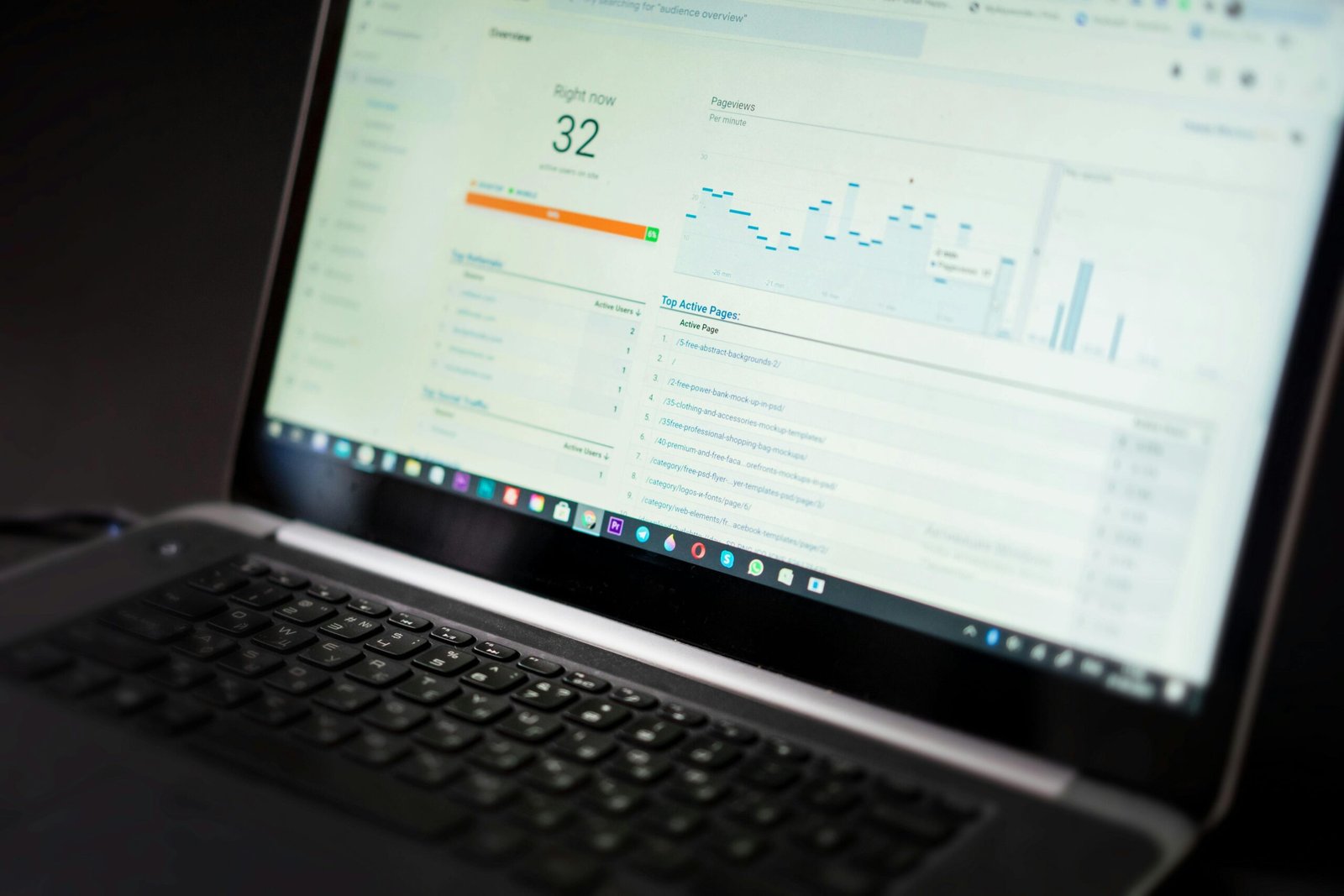
  • E-E-A-T and SEO: How to Build Trust and Authority with Google

    E-E-A-T and SEO: How to Build Trust and Authority with Google

    Why Google Rewards Trust Over Tricks in 2026

    Google’s E-E-A-T framework — Experience, Expertise, Authoritativeness, and Trustworthiness — has become the single most important quality signal determining which websites rank, which get ignored, and which get penalized in today’s search landscape.

    If you’ve noticed your content slipping in rankings despite ticking all the traditional SEO boxes, E-E-A-T is almost certainly part of the explanation. Since Google’s March 2024 core update and the subsequent algorithm refinements throughout 2025 and into 2026, the search engine has become dramatically better at distinguishing genuinely helpful, credible content from optimized-but-hollow pages. According to Google’s own Search Quality Evaluator Guidelines, Trust is now positioned as the most critical component of the entire E-E-A-T framework — it sits at the center of everything else.

    The good news? Building real E-E-A-T signals is entirely achievable for businesses, creators, and developers of all sizes. It just requires understanding what Google is actually looking for — and then doing the work consistently.

    Breaking Down E-E-A-T: What Each Signal Actually Means

    Google introduced the original E-A-T (Expertise, Authoritativeness, Trustworthiness) framework in its Search Quality Evaluator Guidelines years ago. The additional “E” for Experience was added in December 2022, reflecting a shift toward rewarding content created by people with real, first-hand knowledge of a topic. By 2026, all four components carry significant weight — and they interact with each other in meaningful ways.

    Experience: First-Hand Knowledge Matters More Than Ever

    Experience refers to whether the content creator has actually lived, used, or practiced what they’re writing about. A review of a software tool written by someone who has used it daily for six months carries far more weight than a review assembled from other reviews. Google’s quality raters are trained to look for signals of genuine personal experience: specific details, nuanced observations, honest acknowledgment of limitations, and original insights that couldn’t simply be scraped or generated without real involvement.

    For digital marketers, developers, and technology writers, this means demonstrating hands-on familiarity. Share your actual workflow. Mention specific versions, real outcomes, and genuine challenges you encountered. Generic content — even well-written generic content — increasingly struggles to compete with content that clearly comes from someone who has been in the trenches.

    Expertise: Demonstrating Deep Subject Knowledge

    Expertise is about the depth and accuracy of knowledge displayed in your content. For YMYL (Your Money or Your Life) topics — which include finance, health, legal matters, and increasingly, AI tools that influence major decisions — Google holds expertise to an exceptionally high standard. A 2025 study by Semrush analyzing over 17,000 ranking pages found that content authored by credentialed or demonstrably experienced professionals outranked generic content by an average of 22 positions on competitive YMYL queries.

    Expertise signals include accurate technical information, appropriate use of industry terminology, logical depth of explanation, and the ability to address nuanced questions rather than just surface-level ones. Author credentials, professional bios, and links to external publications or verified profiles all help Google’s systems and human quality raters assess expertise level.

    Authoritativeness: Your Reputation in the Digital Ecosystem

    Authoritativeness is less about what you say about yourself and more about what others say about you. This is where your backlink profile, brand mentions, citations, and overall digital reputation come into play. When authoritative websites in your niche link to your content, reference your brand, or cite your data, Google interprets this as a vote of confidence in your authority.

    It’s worth noting that authoritativeness is largely topic-specific. A website that is highly authoritative on cybersecurity topics won’t automatically carry that authority into, say, financial planning content. Building genuine authority requires consistent, focused content creation within your defined subject areas over time.

    Trustworthiness: The Foundation Everything Else Rests On

    According to Google’s guidelines, Trust is the most important dimension of E-E-A-T. A website can display expertise and even have strong authority signals — but if users don’t trust it, Google won’t rank it well. Trust encompasses website security (HTTPS), transparent ownership and contact information, clear editorial standards, honest advertising disclosures, accurate and up-to-date content, and the absence of deceptive practices.

    In 2026, with AI-generated content flooding the web, trust signals have become even more critical differentiators. Sites that clearly identify their authors, maintain factual accuracy, promptly correct errors, and operate with obvious transparency are rewarded. Sites that obscure authorship, make unverifiable claims, or publish content purely for ranking purposes face increasing suppression in search results.

    Practical Strategies to Build E-E-A-T Signals That Google Recognizes

    Understanding E-E-A-T is only valuable if it leads to concrete action. Here are the most impactful strategies being used by high-ranking sites in competitive niches across the English-speaking markets in 2026.

    Develop Comprehensive Author Profiles

    Every piece of content on your site should be clearly attributed to a named author with a verifiable identity. Create dedicated author bio pages that include professional credentials, areas of expertise, links to social profiles (particularly LinkedIn), and ideally links to work published on external authoritative platforms. Google’s systems can cross-reference author identities across the web — a named author with a consistent, credible presence across multiple reputable platforms is a strong E-E-A-T signal.

    If your site has historically published anonymous content, retroactively adding author attribution is absolutely worth the effort. Prioritize your highest-traffic and most commercially important pages first.

    Create Content That Demonstrates Real Experience

    • Use original data and research: Even small-scale surveys, experiments, or case studies from your own work provide unique value that AI-generated content cannot replicate.
    • Include original screenshots, photos, and media: Visual evidence of first-hand engagement is something generic content factories simply cannot fake.
    • Document your process: Step-by-step walkthroughs written from direct experience consistently outperform summarized overviews on technical topics.
    • Share honest opinions and limitations: Balanced, nuanced assessments signal genuine expertise far more effectively than purely promotional content.
    • Update content regularly: Stale content is a trust signal in the wrong direction. Schedule periodic reviews of your key pages to keep information current and accurate.

    Build a Strategic Link Profile

    Backlinks remain one of the most powerful authoritativeness signals available. The most effective approach in 2026 focuses on quality over quantity. A single editorial link from a respected industry publication is worth more than dozens of links from low-quality directories. Prioritize digital PR, guest contributions to authoritative industry publications, original research that earns natural citations, and building genuine relationships within your professional community.

    Also pay attention to unlinked brand mentions. Tools like Ahrefs, Semrush, and Moz can identify instances where your brand is mentioned without a hyperlink. Reaching out to convert these into actual links is one of the highest-ROI link building activities available to established brands.

    Optimize Your Website’s Trust Infrastructure

    Technical trust signals matter significantly. Ensure your site runs on HTTPS. Make your About page genuinely informative — include your company’s story, team members, physical location if applicable, and clear contact information. Publish a privacy policy that is actually readable and current. If you run advertising or sponsored content, disclosure should be clear and prominent.

    Review sites, independent testimonials, and verified user feedback also contribute to trustworthiness signals. Encouraging genuine customer reviews on platforms like Google Business Profile, Trustpilot, or industry-specific review sites creates trust signals that extend beyond your own domain.

    E-E-A-T and AI Content: Navigating the 2026 Reality

    One of the most pressing questions facing content creators and digital marketers in 2026 is how AI-generated content interacts with E-E-A-T. The answer is nuanced but increasingly clear: Google does not penalize AI-assisted content simply for being AI-assisted. What it does penalize is low-quality, unhelpful content — regardless of how it was produced.

    A 2025 BrightEdge study found that AI-assisted content reviewed, edited, and supplemented with original insights by subject matter experts performed comparably to fully human-written content in quality assessments. Content generated purely by AI without meaningful human oversight and expertise consistently underperformed on E-E-A-T dimensions.

    The practical takeaway is this: AI tools can legitimately accelerate research, improve structure, and handle drafting — but the expertise, experience, and editorial judgment that make content genuinely trustworthy must come from humans with real knowledge. Use AI as a capable assistant, not as a replacement for genuine subject matter expertise.

    Authorship Transparency in an AI-Assisted World

    As AI content generation becomes ubiquitous, transparency about your content creation process is becoming a meaningful differentiator. Some of the highest-authority sites in technology and digital marketing niches now explicitly describe their editorial processes — including how AI tools are used and how human experts review and enhance the final output. This kind of transparency directly supports Trust, the most important E-E-A-T dimension.

    Measuring Your E-E-A-T Progress: What to Track

    E-E-A-T isn’t a metric you can pull directly from Google Search Console — it’s a quality assessment made by both algorithms and human evaluators. However, several measurable proxies give you meaningful insight into whether your E-E-A-T signals are improving over time.

    Key Metrics to Monitor

    • Organic traffic trends on branded queries: Growing branded search volume indicates increasing brand recognition and authority.
    • Domain Rating and Domain Authority scores: While imperfect, these Ahrefs and Moz metrics track the overall quality of your link profile over time.
    • Average position on target keywords: Consistent ranking improvements on competitive, high-value queries reflect growing topical authority.
    • Referring domain growth: Track the number of unique domains linking to your site, with particular attention to the authority level of new linking domains.
    • Core Web Vitals scores: Page experience signals contribute to overall trustworthiness and user satisfaction metrics.
    • Engagement metrics: Time on page, scroll depth, and return visitor rates signal to Google that users find your content genuinely valuable — a behavioral trust signal.

    According to a 2026 Ahrefs analysis of over 50,000 websites across English-language markets, sites that demonstrated consistent improvement across branded search volume, referring domain diversity, and engagement metrics were 3.4 times more likely to hold top-three positions through major Google algorithm updates than sites optimizing for technical SEO factors alone.

    Building Long-Term Authority: The Compound Effect of Consistent E-E-A-T Investments

    Perhaps the most important thing to understand about E-E-A-T and SEO is that it operates on a fundamentally different timeline than traditional technical SEO tactics. You won’t see results from a single well-optimized page or a one-month link building sprint. What you will see — over quarters and years — is a compounding accumulation of trust and authority signals that becomes increasingly difficult for competitors to replicate.

    The websites dominating search results in competitive technology, finance, and digital marketing niches in 2026 didn’t get there through clever tricks. They got there by consistently publishing accurate, genuinely useful content attributed to real experts, earning recognition from authoritative sources in their industry, maintaining transparent and trustworthy website practices, and demonstrating real-world experience rather than assembled summaries.

    For businesses operating in the USA, UK, Canada, Australia, and New Zealand — markets where Google search competition is particularly intense — E-E-A-T is not an optional enhancement to your SEO strategy. It is the strategy. Every piece of content you publish, every author bio you write, every industry relationship you cultivate, and every trust signal you add to your website is an investment in a durable competitive advantage that algorithmic updates consistently reward rather than erode.

    Start where you are. Audit your existing content for E-E-A-T gaps. Identify your strongest subject matter experts and make their contributions visible. Build relationships with authoritative voices in your niche. And commit to the long game — because in 2026 and beyond, Google’s direction of travel is unmistakable: real expertise, genuine experience, earned authority, and demonstrated trustworthiness win.

    Frequently Asked Questions About E-E-A-T and SEO

    Is E-E-A-T a direct Google ranking factor?

    E-E-A-T is not a single algorithmic ranking factor with a specific score you can measure in Google Search Console. Instead, it’s a framework that Google uses in its Search Quality Evaluator Guidelines to assess content quality. Google’s algorithms incorporate many signals — backlinks, author credibility, content accuracy, site trustworthiness, user engagement — that collectively reflect E-E-A-T quality. So while there’s no “E-E-A-T score,” improving your E-E-A-T signals directly improves the factors that drive rankings.

    How important is E-E-A-T for small businesses and newer websites?

    E-E-A-T matters for websites of all sizes, but the starting point differs. Newer and smaller sites should focus first on the fundamentals: clear author attribution, accurate and genuinely helpful content, a trustworthy site structure with proper contact and About pages, and HTTPS. Building topical authority through consistent, focused content creation within a specific niche is the most effective path for newer sites. Don’t try to cover everything — become genuinely authoritative on a well-defined set of topics first.

    Does E-E-A-T apply equally to all types of websites?

    The intensity of E-E-A-T scrutiny varies significantly by topic. YMYL (Your Money or Your Life) content — covering health, finance, legal advice, safety, and increasingly AI-powered decision tools — is held to the highest E-E-A-T standards because inaccurate information in these areas can cause real-world harm. Entertainment blogs, recipe sites, and hobby content face lower scrutiny, though all sites benefit from genuine expertise and trust signals. If your site covers any YMYL topics, treating E-E-A-T as a top priority is non-negotiable.

    How does link building relate to E-E-A-T?

    Backlinks from authoritative, relevant sources are one of the strongest authoritativeness signals available. When a respected industry publication, university, or established media outlet links to your content, it signals to Google that your site is recognized as a credible source within your field. However, link quality matters far more than quantity in 2026. A handful of genuine editorial links from highly authoritative sources in your niche will do more for your E-E-A-T than hundreds of links from unrelated or low-quality sites. Focus on earning links through genuinely valuable content, original research, and digital PR.

    Can I improve E-E-A-T for a website that has no named authors?

    Yes, and doing so should be a priority if your site currently publishes anonymous content. Start by auditing your most important pages and assigning them to real, named authors with relevant expertise. Create detailed author bio pages for each contributor. For content where a specific individual author doesn’t apply — such as company announcements — clearly attributing content to the organization with a well-developed About page and transparent team information is the appropriate alternative. Going forward, establish a policy of named authorship for all new content.

    How long does it take to see results from improving E-E-A-T?

    Expect a timeline measured in months rather than weeks for meaningful results, and in years for compound authority gains. Some changes — like adding author bios, improving site trust infrastructure, or fixing factual inaccuracies — can produce visible improvements within one to three months as Google recrawls and reassesses your pages. Larger authority gains from backlink building, topical authority development, and brand recognition growth typically show meaningful impact over six to eighteen months of consistent effort. E-E-A-T investment is fundamentally a long-term competitive strategy, not a quick fix.

    How should I handle E-E-A-T when using AI writing tools?

    The key principle is human expertise at every critical stage. AI tools can legitimately assist with research organization, drafting, and structural suggestions — but subject matter experts must review, refine, and add genuine insights before publication. Ensure all AI-assisted content is attributed to a real human author who takes responsibility for its accuracy. Be transparent about your editorial process. Avoid publishing AI-generated content that hasn’t been meaningfully reviewed and enhanced by someone with genuine expertise on the topic. Google’s focus is always on the quality and helpfulness of the final content — not the tools used to create it.

    Building real E-E-A-T authority is the most sustainable SEO strategy available in 2026. It’s harder than shortcut tactics, takes longer to show results, and requires genuine commitment to quality — but it also creates the kind of durable search presence that algorithm updates strengthen rather than threaten. For any business serious about long-term organic visibility, investing in E-E-A-T isn’t optional. It’s the foundation everything else is built on.

    Disclaimer: This article is for informational purposes only. Always verify technical information and consult relevant professionals for specific advice regarding your website’s SEO strategy and digital marketing practices.

  • Local SEO Guide: How to Rank in Google Maps and Local Search

    Local SEO Guide: How to Rank in Google Maps and Local Search

    Why Most Local Businesses Are Invisible Online — And How to Fix It

    Local SEO is the single most powerful digital strategy for businesses that serve customers in a specific geographic area, and in 2026, mastering it separates thriving local businesses from ones that barely get noticed. Whether you run a dental clinic in Chicago, a plumbing company in Manchester, or a boutique café in Sydney, ranking in Google Maps and local search results is no longer optional — it is the difference between a full appointment book and an empty one. This guide walks you through every critical element of local SEO, from Google Business Profile optimization to citation building and review strategies, using current best practices that actually move the needle.

    According to Google’s own data, 46% of all searches have local intent, and BrightLocal’s 2025 Local Consumer Review Survey found that 98% of consumers used the internet to find information about local businesses in the past year. Even more telling: businesses that appear in Google’s Local Pack — the top three map results shown for local queries — capture an average click-through rate that is three to five times higher than organic blue-link results below them. The opportunity is enormous, but so is the competition. Let’s break down exactly how to earn your place at the top.

    Google Business Profile: Your Local SEO Foundation

    If local SEO were a house, your Google Business Profile (GBP) would be the foundation. Google’s own local ranking algorithm weighs three core factors: relevance, distance, and prominence. Your GBP directly influences all three. A fully optimized, active profile signals to Google that your business is legitimate, relevant, and worth showing to nearby searchers.

    Claim, Verify, and Complete Every Field

    Start by claiming your profile at business.google.com if you have not already. Verification typically happens via postcard, phone, or video verification in 2026. Once verified, treat every single field as an opportunity. Fill in your business name exactly as it appears on your storefront and legal documents — adding keywords to your business name is a violation of Google’s guidelines and can result in suspension. Choose the most accurate primary category, then add relevant secondary categories. A bakery that also serves coffee should list both.

    Complete your address, service area, hours of operation, phone number, website URL, and business description. Your description (up to 750 characters) should naturally include your main services and location. Write it for customers, not algorithms, but do not ignore the opportunity to mention what you do and where you do it. Add your products or services directly in the platform — Google uses this structured data to match your profile to highly specific search queries.

    Photos, Posts, and Active Engagement

    Profiles with photos receive 42% more requests for directions and 35% more website clicks than those without, according to Google’s own published figures. Upload high-quality images of your storefront, interior, team, and products. Add new photos regularly — at least two to four per month — because fresh content signals an active, relevant business.

    Use Google Posts to share updates, offers, events, and news directly on your profile. These posts appear in your GBP listing on search results and Maps and have a shelf life of about seven days for standard posts. Think of them as mini social media updates that live inside Google Search itself. Businesses that post consistently tend to see improved engagement metrics, which feeds back positively into local rankings.

    Local Keyword Research and On-Page Optimization

    Strong local SEO is not just about your Google Business Profile. Your website must be optimized for local search queries to rank in both the Local Pack and traditional organic results that appear below it. This starts with understanding how people in your area actually search for your services.

    Finding Location-Specific Keywords

    Local keyword research focuses on combining service terms with geographic modifiers. Think beyond just your city name. People search for neighborhoods, nearby landmarks, zip codes, and phrases like “near me.” In 2026, near-me searches have continued to grow dramatically, with mobile voice search driving a significant portion of that intent. Use tools like Google Keyword Planner, Semrush, or Ahrefs to identify search volume for phrases like “emergency plumber Denver,” “best sushi restaurant in East London,” or “family dentist near me.”

    Pay attention to long-tail local keywords. A search like “affordable dog groomer open Sunday in Calgary” has lower volume but far higher intent. Ranking for dozens of specific phrases adds up to serious traffic and, more importantly, customers who are ready to act. Build a keyword map that assigns specific local terms to specific pages on your site.

    Optimizing Your Website for Local Search

    Every page targeting a local audience should include your city and region in the title tag, meta description, H1 heading, and naturally throughout the body text. Do not stuff keywords — write naturally for readers and let your location come through in context. Your homepage should clearly state what you do and where you do it within the first two paragraphs.

    Create dedicated location pages if you serve multiple areas. A heating and cooling company serving five suburbs should have five well-written, genuinely unique pages — one for each service area — rather than one generic page with swapped city names. Each location page should include locally relevant content: local landmarks, community references, service-specific information for that area, and embedded Google Maps. Add LocalBusiness schema markup to your pages using structured data. This JSON-LD code tells Google your business name, address, phone number, hours, and service areas in a format machines can easily read and use to populate rich search results.

    Citations, NAP Consistency, and Directory Listings

    Local citations are online mentions of your business name, address, and phone number — collectively known as NAP. Google cross-references citation data from hundreds of sources to verify that your business is real and that its information is consistent. Inconsistencies — a different phone number on Yelp, an old address on Yellow Pages — create confusion and quietly suppress your local rankings.

    Building a Consistent Citation Profile

    Start with the most authoritative general directories: Google Business Profile, Apple Maps, Bing Places, Yelp, Facebook, and the Better Business Bureau. Then move into industry-specific directories relevant to your niche. Restaurants should be on TripAdvisor and OpenTable. Lawyers should be on Avvo and FindLaw. Healthcare providers should be on Healthgrades and Zocdoc. Each accurate citation is a signal of legitimacy.

    Audit your existing citations using a tool like BrightLocal, Whitespark, or Moz Local. These platforms identify inconsistencies and often allow you to push corrected information to directories automatically. In 2026, data aggregators like Neustar Localeze and Foursquare still feed information to a wide network of downstream directories and apps, so maintaining accuracy at the aggregator level has an outsized effect on your overall citation health.

    Local Link Building

    Links from locally relevant, authoritative websites carry significant weight in local organic rankings. Sponsor a local charity event and get a link from their website. Join your local chamber of commerce — most chambers provide member directory links. Get featured in local news outlets, community blogs, or neighborhood association websites. Partner with complementary local businesses for cross-promotions that earn natural backlinks. These local links act as community endorsements in Google’s eyes, and they are genuinely difficult for out-of-town competitors to replicate.

    Reviews: The Social Proof That Drives Rankings and Conversions

    Customer reviews are one of the most powerful and most underutilized elements of local SEO. They influence your local ranking directly — Google’s algorithm weights review quantity, recency, diversity, and the business owner’s response behavior. They also influence whether a customer who finds you actually contacts you. A BrightLocal study found that 87% of consumers read online reviews for local businesses, and the average consumer reads at least ten reviews before trusting a business. In a competitive local market, your review profile is a make-or-break factor.

    Getting More Reviews the Right Way

    The most effective review strategy is also the simplest: ask satisfied customers directly. In person after a positive interaction, via a follow-up email, or through an SMS link to your Google review page. Google has a shortcut URL feature in your GBP dashboard that generates a direct review link — share this across your email signature, receipts, and thank-you pages. You can also add a QR code that links to your review page on physical materials like business cards and menus.

    What you absolutely cannot do is pay for reviews, create fake reviews, or use review-gating software that only sends unhappy customers to a private feedback form while directing happy customers to Google. Google actively detects and removes suspicious review patterns, and violations can result in your profile being penalized or removed entirely. Build your review profile authentically over time — it is far more sustainable and effective.

    Responding to Every Review

    Responding to reviews — both positive and negative — is a local ranking signal and a trust builder. Thank customers who leave positive reviews by name and reference specific details when possible. For negative reviews, respond professionally, acknowledge the issue without being defensive, and offer to resolve it offline. Your response is visible to every future customer reading that review. A graceful response to a bad review often builds more trust than a string of five-star reviews with no owner engagement at all.

    Mobile, Speed, and Technical Factors That Impact Local Rankings

    Local searches are overwhelmingly mobile. Over 60% of local Google searches in 2026 are conducted on smartphones, and Google’s mobile-first indexing means your mobile site experience directly affects your rankings. A site that loads slowly or is difficult to navigate on a phone will underperform in local results regardless of how well-optimized everything else is.

    Core Web Vitals and Page Experience

    Google’s Core Web Vitals — Largest Contentful Paint (LCP), Interaction to Next Paint (INP), and Cumulative Layout Shift (CLS) — are active ranking factors. For local businesses, these metrics matter most on your homepage, location pages, and contact page. Use Google’s PageSpeed Insights or Search Console to identify issues. Common fixes include compressing images, using a content delivery network, eliminating render-blocking scripts, and switching to a faster hosting provider. Aim for an LCP under 2.5 seconds and a CLS score under 0.1.

    Click-to-Call, Maps Embed, and Local UX

    Make it frictionless for mobile users to contact you. Your phone number should be a clickable link on every page. Your address should link to Google Maps. Your contact form should work flawlessly on small screens. Embed a live Google Map on your contact or location page — this reinforces your location relevance to both users and search engines. Add clear calls to action like “Book an Appointment” or “Get a Free Quote” that are thumb-friendly and prominently placed. Every second of friction between a searcher and a contact action costs you a potential customer.

    Tracking Your Local SEO Progress and Staying Ahead

    Local SEO is not a one-time task — it is an ongoing process of monitoring, adjusting, and improving. Without tracking, you are flying blind. Set up a clear measurement framework from the start so you can see what is working and where to invest more effort.

    Key Metrics to Monitor

    Inside your Google Business Profile dashboard, monitor profile views, search queries that triggered your listing, direction requests, website clicks, and phone calls. These insights show how users are finding and interacting with your business on Maps and Search. In Google Search Console, track impressions and clicks for local keyword queries and watch for indexing issues on your location pages. Use a rank tracking tool like BrightLocal or Semrush’s local rank tracker to monitor your position in Local Pack results for your target keywords across different zip codes or suburbs.

    Set a monthly review cadence. Check your GBP insights, audit any new reviews and respond to them, update your posts, add new photos, and cross-check your NAP consistency on major directories. Local SEO rewards consistency and active management. Businesses that treat their online presence as a living asset — not a one-time setup — consistently outperform those that set it and forget it.

    Adapting to AI-Powered Local Search

    In 2026, Google’s AI-generated search summaries and conversational search experiences are increasingly influencing how local results are presented. Google’s AI Overviews now appear for many local intent queries, pulling business information and review sentiment into summarized responses. To stay visible, ensure your GBP is fully complete, your reviews are plentiful and positive, and your website content clearly answers the questions local customers are asking. Structured data markup becomes even more important as AI systems rely on machine-readable signals to identify and recommend businesses. The businesses that win in AI-powered local search are the same ones that win in traditional local SEO — those with the strongest, most consistent, most trusted digital presence.


    Frequently Asked Questions

    How long does local SEO take to show results?

    Most businesses see meaningful improvement in local rankings within three to six months of consistent effort. Quick wins like completing your Google Business Profile and fixing NAP inconsistencies can show results in weeks. Building a strong review profile and earning local backlinks takes longer but produces more durable results. Local SEO is a long-term investment, not a quick fix.

    Do I need a physical address to rank in Google Maps?

    To appear on Google Maps with a pinned location, you need a verified physical address. However, if you serve customers at their location — like a plumber or mobile dog groomer — you can set up a service-area business in GBP without displaying your address publicly. Service-area businesses can still rank in local results for the areas they serve, though ranking without a storefront address in a competitive market is generally more challenging.

    How many Google reviews do I need to rank well locally?

    There is no magic number, but in competitive markets, businesses in the top Local Pack positions often have 50 or more reviews with an average rating above 4.0. What matters most is having more recent, relevant, and authentic reviews than your direct competitors. Recency is particularly important — a steady stream of new reviews signals an active, trusted business. Ten fresh reviews in the past month can outweigh a hundred reviews left two years ago.

    What is the difference between local SEO and regular SEO?

    Traditional SEO focuses on ranking in organic search results for broad or national queries, primarily through content and backlinks. Local SEO specifically targets geographically relevant searches and includes additional ranking factors like your Google Business Profile, local citations, proximity to the searcher, and review signals. Local SEO also targets the Local Pack — the map-based results that appear above organic listings for location-intent queries — which traditional SEO does not address.

    Can I do local SEO myself, or do I need an agency?

    Many small business owners successfully manage their own local SEO, especially with the free tools available through Google Business Profile and Search Console. The fundamentals — completing your GBP, asking for reviews, building citations, and optimizing your website — are learnable and manageable in-house. For businesses in highly competitive markets or those targeting multiple locations, working with a specialist agency can accelerate results and free up your time. If you go the agency route, vet them carefully and avoid anyone who guarantees specific rankings or uses black-hat tactics.

    Does social media affect local SEO rankings?

    Social media does not directly influence Google’s local ranking algorithm, but it has meaningful indirect effects. Active social profiles help customers find and trust your business, drive referral traffic to your website, and can generate reviews and mentions that do factor into local prominence. Consistent branding and NAP information across your social profiles also reinforces citation consistency. Think of social media as a supporting player in your local SEO strategy rather than a primary ranking lever.

    What is the Local Pack and how do I get into it?

    The Local Pack — sometimes called the Map Pack or 3-Pack — is the block of three business listings with a map that appears at the top of Google search results for local queries. It is the most valuable real estate in local search. To rank in the Local Pack, you need a fully optimized and verified Google Business Profile, a strong review profile, consistent local citations, location-relevant website content, and local backlinks that build your authority. Proximity to the searcher also plays a role, which is why businesses in the center of a city often find it easier to appear in the Pack than those on the outskirts.


    Ranking in Google Maps and local search in 2026 is not about gaming algorithms — it is about building a genuinely trustworthy, consistent, and active local presence that Google can confidently recommend to nearby searchers. Every element covered in this guide, from your Google Business Profile and on-page optimization to your review strategy and technical performance, works together as a unified system. Start with the fundamentals, maintain consistency, and iterate based on real data. The businesses that commit to local SEO as an ongoing practice do not just rank higher — they build the kind of digital reputation that converts searchers into loyal customers for years to come.

    Disclaimer: This article is for informational purposes only. Always verify technical information and consult relevant professionals for specific advice regarding your business’s SEO strategy and digital marketing needs.

  • Core Web Vitals Explained: How to Improve Your Site’s Performance

    Core Web Vitals Explained: How to Improve Your Site’s Performance

    Why Your Website Speed Is Now a Google Ranking Factor

    Core Web Vitals are Google’s official metrics for measuring real-world user experience — and in 2026, they directly influence your search rankings, bounce rates, and revenue. If your site loads slowly, shifts layout unexpectedly, or feels unresponsive, you’re likely losing both traffic and customers without knowing why. This guide breaks down exactly what these metrics mean, how they’re measured, and — most importantly — what you can do to improve them today.

    Google’s 2026 Search Experience Report confirms that sites meeting Core Web Vitals thresholds are 24% more likely to rank on the first page compared to sites that fail all three metrics. That’s not a trivial edge — that’s a measurable competitive advantage. Whether you’re running a WordPress blog, an eCommerce store, or a SaaS landing page, understanding these metrics is no longer optional.

    The Three Core Web Vitals You Must Know

    Google’s Core Web Vitals framework currently focuses on three distinct signals. Each one targets a different dimension of how users actually experience your site — loading performance, interactivity, and visual stability. In 2026, Google updated the scoring thresholds slightly and introduced stricter mobile benchmarks, reflecting how most web traffic now originates from smartphones.

    Largest Contentful Paint (LCP): Loading Performance

    LCP measures how long it takes for the largest visible element on the page — typically a hero image, a large heading, or a video thumbnail — to fully render in the viewport. It’s the metric that most closely mirrors how users perceive “did this page load?” in practical terms.

    • Good: Under 2.5 seconds
    • Needs Improvement: 2.5 to 4.0 seconds
    • Poor: Over 4.0 seconds

    Common LCP killers include unoptimized images, render-blocking JavaScript, slow server response times, and poorly configured content delivery networks. According to HTTP Archive’s 2026 Web Almanac, nearly 48% of mobile pages still fail to achieve a Good LCP score, making this the most widely missed Core Web Vital across the web.

    Interaction to Next Paint (INP): Responsiveness

    INP replaced the older First Input Delay (FID) metric in March 2024 and has been a standard Google ranking signal throughout 2025 and 2026. It measures the overall responsiveness of a page by observing the latency of all user interactions — clicks, taps, and keyboard inputs — throughout the entire page lifecycle, not just the first one.

    • Good: Under 200 milliseconds
    • Needs Improvement: 200 to 500 milliseconds
    • Poor: Over 500 milliseconds

    INP is particularly punishing for pages with heavy JavaScript execution. If your page relies on large third-party scripts — ad networks, chat widgets, analytics tools — those scripts can block the main thread and push your INP score into the “Poor” range even if your page visually loads quickly.

    Cumulative Layout Shift (CLS): Visual Stability

    CLS measures how much the page layout unexpectedly shifts during loading. You’ve experienced poor CLS when you’re about to tap a button and an ad loads above it, pushing the button down — and you accidentally tap something else entirely. It’s frustrating and it erodes trust.

    • Good: Under 0.1
    • Needs Improvement: 0.1 to 0.25
    • Poor: Over 0.25

    CLS scores are dimensionless — they represent the product of two fractions: the impact fraction (how much of the viewport shifted) multiplied by the distance fraction (how far elements moved). The good news is that CLS is often the easiest of the three metrics to fix with targeted code and configuration changes.

    How Google Measures and Uses These Signals

    Understanding how Google actually collects Core Web Vitals data is critical — because the source of the data matters as much as the numbers themselves. Google relies primarily on field data from the Chrome User Experience Report (CrUX), which aggregates real-world performance data from opted-in Chrome users visiting your pages. This is different from lab data, which tools like Lighthouse generate by simulating page loads under controlled conditions.

    For ranking purposes, Google uses field data. That means your PageSpeed Insights score (which shows both) is useful for diagnosis, but the CrUX data — the real user measurements — is what actually affects your position in search results. A page can score 95 in Lighthouse and still fail Core Web Vitals in the field if real users on slow mobile connections are experiencing poor performance.

    Where to Check Your Scores

    Several tools give you accurate, actionable Core Web Vitals data in 2026:

    • Google Search Console: The Core Web Vitals report shows field data aggregated by URL group, broken down by mobile and desktop. This is your most important dashboard.
    • PageSpeed Insights: Combines CrUX field data with Lighthouse lab data for individual URLs. Free and immediate.
    • Chrome DevTools: The Performance panel and Lighthouse tab allow you to profile pages locally and identify specific bottlenecks.
    • Web Vitals Chrome Extension: Displays real-time LCP, INP, and CLS scores as you browse any page.
    • Screaming Frog SEO Spider: In 2026, it integrates directly with the PageSpeed API to audit Core Web Vitals at scale across your entire site.

    A 2025 study by Ahrefs found that only 33% of websites globally pass all three Core Web Vitals assessments on mobile. That means two-thirds of competing sites are leaving a significant ranking and user experience advantage on the table — which represents a genuine opportunity for anyone willing to do the optimization work.

    Practical Strategies to Improve Each Metric

    Knowing your scores is step one. Actually improving them requires targeting the right fixes in the right order. Here’s a prioritized, practical breakdown for each metric.

    Improving LCP

    Preload your LCP resource. If your LCP element is an image, add a preload link tag in your HTML head so the browser fetches it before it discovers it in the normal rendering flow. This single change often reduces LCP by 300 to 700 milliseconds on image-heavy pages.

    Use modern image formats. WebP and AVIF deliver dramatically smaller file sizes than JPEG or PNG at equivalent visual quality. AVIF, in particular, achieves 50% smaller files than JPEG in many cases. Serve these formats using the HTML picture element with appropriate fallbacks for older browsers.

    Eliminate render-blocking resources. CSS and JavaScript loaded synchronously in the head block the browser from rendering anything. Defer non-critical JavaScript with the defer or async attributes, and inline only the critical CSS needed for above-the-fold content.

    Upgrade or optimize your hosting. A slow Time to First Byte (TTFB) directly delays LCP. If your server takes more than 800 milliseconds to respond, no amount of front-end optimization will fully compensate. Consider a CDN, server-side caching, or a faster hosting tier if TTFB is your bottleneck.

    Improving INP

    Reduce JavaScript execution time. Long tasks — JavaScript tasks exceeding 50 milliseconds — block the main thread and delay the browser’s ability to respond to user input. Use Chrome DevTools’ Performance panel to identify long tasks and break them into smaller chunks using techniques like setTimeout or the Scheduler API.

    Audit and remove unnecessary third-party scripts. Every third-party tag you add to a page is a potential INP problem. Run a third-party audit using WebPageTest or PageSpeed Insights and remove any script that doesn’t justify its performance cost. Tag managers, social share widgets, and bloated chat scripts are frequent offenders.

    Implement code splitting. If you’re using a JavaScript framework like React, Next.js, or Vue, ensure you’re using dynamic imports to split your JavaScript bundle. Load only the code needed for the initial view, and defer the rest until it’s actually required.

    Improving CLS

    Always set explicit width and height attributes on images and videos. This is the single most impactful CLS fix for most sites. When dimensions are specified in the HTML, the browser reserves space before the media loads, preventing layout shifts entirely.

    Avoid inserting content above existing content dynamically. If ads, banners, cookie consent notices, or notifications are injected above the fold after the page loads, they push everything else down and generate CLS. Reserve space for these elements in advance, or load them below the fold.

    Use CSS transform for animations. Animations that change an element’s position using properties like top, left, margin, or padding trigger layout recalculations and contribute to CLS. Animating with CSS transform and opacity instead keeps changes on the compositor thread and avoids layout shifts.

    Core Web Vitals for WordPress, Shopify, and Custom Sites

    The optimization strategies above apply universally, but implementation varies significantly depending on your platform.

    WordPress

    WordPress powers approximately 43% of all websites in 2026, which makes it the most important platform context for Core Web Vitals optimization. The most common issues are bloated themes, excessive plugins, and lack of image optimization.

    Start with a performance-focused theme like GeneratePress or Kadence. Then deploy a caching plugin — WP Rocket and LiteSpeed Cache are the leading options. For image optimization, ShortPixel or Imagify can automatically convert images to WebP and compress them in bulk. Finally, use a plugin like Asset CleanUp to conditionally load scripts only on pages that actually need them, reducing JavaScript bloat globally.

    Shopify

    Shopify’s hosted infrastructure handles server performance reasonably well, but merchants frequently hurt their own scores by installing too many third-party apps — each of which typically injects scripts into every storefront page. Audit your installed apps and remove any that aren’t actively contributing to revenue. The Shopify 2.0 theme architecture introduced Online Store 2.0 sections everywhere, which gives developers much finer control over script loading — use it.

    Custom and Framework-Based Sites

    For sites built with Next.js, Nuxt, SvelteKit, or similar modern frameworks, the biggest performance wins come from leveraging server-side rendering or static site generation to minimize client-side JavaScript execution, using built-in image optimization components, and implementing route-based code splitting to keep initial bundle sizes small.

    The Business Case: Why This Matters Beyond Rankings

    It’s tempting to frame Core Web Vitals purely as an SEO checklist, but the business impact goes much deeper. Google’s own research has repeatedly shown that performance improvements directly increase conversion rates. A one-second improvement in mobile load time has been correlated with conversion rate increases of 3 to 8% for eCommerce stores. For a store doing $500,000 per year, that’s $15,000 to $40,000 in additional revenue from a technical improvement.

    Bounce rates also respond sharply to performance. Pages that load in under two seconds have average bounce rates significantly lower than pages loading in four or more seconds. When users leave immediately, they don’t convert, don’t build brand familiarity, and often don’t return. In competitive markets — retail, finance, SaaS — where paid acquisition costs continue rising in 2026, reducing bounce rates through performance optimization is one of the most cost-effective growth levers available.

    There’s also an accessibility dimension that’s easy to overlook. Core Web Vitals thresholds are particularly important for users on lower-end devices and slower mobile connections — demographics that are disproportionately represented in developing markets and among older users. A fast, stable website is a more equitable website.

    Frequently Asked Questions

    Do Core Web Vitals affect desktop and mobile rankings separately?

    Yes. Google assesses Core Web Vitals separately for mobile and desktop experiences. Since Google uses mobile-first indexing for the vast majority of websites, your mobile Core Web Vitals scores carry more weight for overall search performance. Many sites that pass Core Web Vitals on desktop still fail on mobile due to larger images, heavier scripts, and the lower processing power of smartphones. Always prioritize mobile scores first.

    How long does it take for Core Web Vitals improvements to affect rankings?

    Google’s CrUX data is collected over a rolling 28-day window. That means after you implement improvements, it typically takes 28 days for the full benefit to appear in your field data scores. After your scores update in Search Console, allow an additional two to four weeks for the ranking impact to fully propagate. Total timeline from implementation to measurable ranking change: roughly six to ten weeks in most cases.

    What’s the difference between lab data and field data for Core Web Vitals?

    Lab data is generated by simulating a page load in a controlled environment — tools like Lighthouse, WebPageTest, and PageSpeed Insights produce lab data. Field data comes from real users visiting your site using real devices and real network connections, collected via the Chrome User Experience Report. For Google’s ranking algorithm, only field data counts. Lab data is valuable for diagnosing specific issues and testing fixes before they go live, but it doesn’t directly determine your ranking.

    Can I pass Core Web Vitals with a slow shared hosting plan?

    It’s difficult but not impossible. Shared hosting often produces high TTFB (Time to First Byte), which directly hurts LCP. Aggressive caching, a CDN like Cloudflare, and image optimization can compensate partially. However, if your server consistently takes more than 800 milliseconds to deliver the first byte, you’ll be fighting an uphill battle. For serious sites, upgrading to managed WordPress hosting or a VPS is often the single highest-leverage infrastructure investment you can make.

    Does a single slow page hurt my entire site’s Core Web Vitals assessment?

    Google’s Core Web Vitals assessment in Search Console is URL-specific, but it aggregates URLs into groups for reporting. If a significant portion of your URLs have poor scores, it can affect the overall site-level assessment. However, fixing your highest-traffic pages first will have the biggest impact on both your aggregate assessment and your actual user experience outcomes. Prioritize pages that receive the most organic impressions according to your Search Console performance report.

    Are there Core Web Vitals tools that work for JavaScript-heavy single-page applications?

    Yes, though SPAs (single-page applications) present unique measurement challenges because most Core Web Vitals metrics are designed around traditional page navigations. Chrome’s web-vitals JavaScript library supports soft navigations — client-side route changes — and Google has been expanding soft navigation measurement support in CrUX since 2024. Tools like WebPageTest and Chrome DevTools Performance panel are the most reliable for profiling SPAs in 2026. Using Next.js or Nuxt with server-side rendering also makes CWV measurement more straightforward and typically produces better scores than pure client-side SPAs.

    What’s the fastest way to get a quick Core Web Vitals win?

    For most sites, the fastest wins come from three actions: adding explicit width and height to all images (fixes CLS immediately), adding a preload hint for the LCP image (reduces LCP by hundreds of milliseconds), and deferring non-critical JavaScript (improves both LCP and INP). These three changes require minimal technical effort, can often be implemented in a day, and collectively address all three Core Web Vitals metrics. Run a PageSpeed Insights report on your most important page, identify which metric is furthest from Good, and start there.

    Core Web Vitals have matured from a controversial new Google experiment into a fundamental, stable pillar of modern web performance strategy. In 2026, the sites winning in organic search aren’t just producing great content — they’re delivering that content through fast, stable, responsive experiences that users on any device can actually enjoy. The technical improvements outlined in this guide aren’t glamorous work, but they compound over time: better scores lead to better rankings, better rankings lead to more traffic, and a faster site converts that traffic at higher rates. Start with your worst-performing metric, use the right tools to diagnose the root cause, implement targeted fixes, and give the data 28 days to reflect your improvements. The gap between where your site performs today and where it could perform is almost certainly smaller — and more valuable — than you think.

    This article is for informational purposes only. Always verify technical information and consult relevant professionals for specific advice regarding your website’s performance, SEO strategy, and technical implementation.

  • How to Use AI for SEO: Tools, Prompts and Strategies

    How to Use AI for SEO: Tools, Prompts and Strategies

    Why AI Is Changing the SEO Game in 2026

    AI-powered SEO tools are helping marketers rank faster, write smarter content, and outperform competitors — and in 2026, knowing how to use AI for SEO is no longer optional, it’s essential. Search engines themselves are now powered by sophisticated AI models, which means the strategies that worked in 2022 are obsolete. Whether you’re a solo blogger, a digital marketing professional, or a business owner trying to grow organic traffic, this guide breaks down everything you need: the best tools, the most effective prompts, and the strategies that actually move the needle.

    According to a 2026 report by Semrush, over 79% of high-performing SEO teams now use AI tools as a core part of their workflow. Meanwhile, BrightEdge data shows that AI-assisted content strategies drive up to 45% more organic traffic compared to purely manual approaches. The numbers are clear — AI doesn’t replace good SEO thinking, but it dramatically amplifies it.

    The AI SEO Toolkit: What You Actually Need

    The market is flooded with AI tools claiming to be the ultimate SEO solution. Most are useful for specific tasks, and the smartest approach is to build a lean, focused toolkit rather than subscribing to everything. Here’s what’s genuinely worth your attention in 2026.

    AI Tools for Keyword Research and Topic Discovery

    Traditional keyword research involved hours of manual data analysis. AI tools have compressed that process dramatically while surfacing insights humans would easily miss.

    • Semrush Copilot: Provides AI-driven keyword clustering, intent analysis, and competitive gap recommendations in a single dashboard.
    • Ahrefs AI Features: Ahrefs now integrates AI-powered topic clustering and SERP intent classification to help you target the right content angle.
    • Google Search Generative Experience (SGE) Insights: Understanding how SGE pulls content helps you reverse-engineer the type of authoritative, structured content that gets featured.
    • Perplexity AI: Excellent for discovering how your target audience naturally phrases questions — crucial for conversational and voice search optimization.

    AI Tools for Content Creation and Optimization

    Content generation is where most marketers first encounter AI SEO workflows — and where the biggest mistakes also happen. Raw AI-generated content without editorial oversight rarely ranks well. The winning approach is using AI as a drafting and optimization layer, not a content vending machine.

    • ChatGPT-4o and Claude 3.7: Best for drafting outlines, generating meta descriptions, writing structured FAQ sections, and producing first-draft body copy for human editing.
    • Surfer SEO: Analyzes top-ranking pages and gives real-time optimization guidance on word count, semantic keywords, headings, and entity coverage.
    • Clearscope: Grades your content against top-performing competitors and suggests LSI keywords and related concepts to improve topical depth.
    • Jasper AI: Designed specifically for marketing content, with SEO-aware templates for blog posts, landing pages, and product descriptions.

    AI Tools for Technical SEO

    Technical SEO — the part that involves site speed, crawlability, structured data, and internal linking — has also been transformed by AI assistance.

    • Screaming Frog with AI integrations: Automatically identifies technical issues and now connects with AI models to suggest fixes in plain language.
    • SEOBot: A 2025-launched AI agent that autonomously monitors technical health, suggests schema markup, and flags crawl errors without manual audits.
    • Google’s AI Overviews optimization tools: New third-party tools specifically help you structure content so it appears in Google’s AI Overview summaries.

    Crafting AI Prompts That Produce SEO-Ready Content

    The quality of what AI produces is directly tied to the quality of your prompts. Vague instructions produce generic content. Specific, context-rich prompts produce material that’s far closer to publication-ready. This is one of the most underappreciated skills in modern digital marketing — and mastering it gives you a significant competitive edge.

    The Anatomy of a High-Performance SEO Prompt

    Every effective SEO prompt has four core components: role, context, task, and format. Here’s how each one works in practice.

    • Role: Tell the AI what kind of expert it should act as. “Act as an experienced SEO content strategist writing for a US-based audience” produces far better output than no role at all.
    • Context: Provide the target keyword, the audience, the website niche, and any competitor context. The more specific, the better.
    • Task: Be explicit. “Write a 150-word meta description” is better than “write a description.” Include tone, length, and purpose.
    • Format: Specify the output structure. Request bullet points, headers, numbered lists, or specific HTML formatting depending on your need.

    Practical Prompts You Can Use Right Now

    Below are proven prompt frameworks for specific SEO tasks. These are designed to work with ChatGPT-4o, Claude, or any capable large language model available in 2026.

    For keyword clustering: “Act as an SEO strategist. I have this list of 30 keywords related to [topic]. Group them into semantic clusters based on search intent — informational, commercial, transactional, and navigational. Present results in a structured table.”

    For content outlines: “Act as an SEO content expert writing for [niche] in the US market. Create a detailed content outline for a 2,500-word article targeting the keyword [keyword]. Include an H1, five H2 sections with H3 subsections, a FAQ, and a conclusion. Optimize for both search intent and reader engagement.”

    For meta descriptions: “Write three meta description variations for a blog post titled [title]. Each must be under 155 characters, include the keyword [keyword], and include a clear call to action. Tone: professional but approachable.”

    For FAQ sections: “Generate eight frequently asked questions about [topic] that a beginner audience would ask. Base questions on common search queries. Provide concise, accurate answers of 40-60 words each, written in plain English.”

    For internal linking suggestions: “Here is the content of my article about [topic A]. Here are titles and URLs of 10 other pages on my site. Suggest three natural internal linking opportunities within the article, specifying anchor text and placement context.”

    Core AI SEO Strategies That Work in 2026

    Having tools and prompts is the foundation. But to consistently rank and grow organic traffic, you need a strategic framework that ties it all together. Here are the approaches delivering the strongest results this year.

    Topical Authority Building at Scale

    Google’s ranking systems in 2026 heavily reward topical authority — sites that comprehensively cover a subject rather than targeting isolated keywords. AI makes it feasible to build this depth of coverage far faster than manual writing alone.

    The process works like this: use an AI tool to map every subtopic, question, and angle related to your core niche. Then systematically create content for each cluster, linking pieces together strategically. A site that covers 80 related articles on a topic will consistently outrank a site with one highly optimized post. Research from HubSpot in 2025 found that websites using topic cluster models saw a 55% increase in organic traffic within six months of implementation.

    Optimizing for AI Overviews and Featured Snippets

    Google’s AI Overviews (the AI-generated summaries appearing at the top of search results) now appear on over 60% of informational search queries in English-speaking markets. Getting your content cited in these summaries is increasingly critical for visibility — even if the user doesn’t click through.

    To optimize for AI Overviews, structure your content so that concise, authoritative answers appear immediately after each heading. Use clear definitions, numbered steps for processes, and short paragraphs for factual claims. AI tools like Surfer SEO and Clearscope now include specific guidance for AI Overview optimization, analyzing the structure and entity coverage of pages currently appearing in these summaries.

    Using AI for Competitor Gap Analysis

    One of the most powerful and underused AI SEO applications is systematic competitor gap analysis. Feed AI tools your top three to five competitors’ content, ask it to identify topics they cover that you don’t, and prioritize filling those gaps. This approach consistently surfaces high-value content opportunities that pure keyword research misses because it focuses on audience needs rather than just search volume.

    Automating On-Page SEO Audits

    Manual on-page audits are time-consuming and inconsistent. AI-powered auditing tools can now scan your entire content library, identify pages with thin content, missing semantic keywords, poor internal linking, or outdated information — and prioritize which ones to update first based on current ranking position and traffic potential. This transforms content maintenance from a reactive chore into a proactive growth strategy.

    Avoiding the Pitfalls: Where AI SEO Goes Wrong

    For all its power, AI-assisted SEO has specific failure modes that can damage your rankings if you’re not careful. Understanding them is just as important as knowing the strategies that work.

    The Content Quality Trap

    Publishing large volumes of unedited AI content is one of the fastest ways to trigger Google’s helpful content system penalties. Google’s algorithms in 2026 are highly effective at detecting content that lacks genuine expertise, original insight, or real-world experience — regardless of whether it was written by a human or a machine. The solution is a non-negotiable editorial layer: every AI-generated piece should be reviewed, enriched with original examples or data, and fact-checked before publication.

    Over-Optimization and Keyword Stuffing

    AI tools that optimize content purely based on keyword density recommendations can inadvertently push content toward over-optimization — an issue where content reads as unnatural because it’s been engineered for algorithms rather than readers. Always prioritize natural language flow and genuine usefulness over hitting a specific keyword count.

    Ignoring E-E-A-T Signals

    Google’s E-E-A-T framework — Experience, Expertise, Authoritativeness, and Trustworthiness — is more influential in 2026 than ever, particularly for YMYL (Your Money or Your Life) content covering health, finance, and legal topics. AI cannot generate authentic first-hand experience or real credentials. Including author bios, citing credible sources, and demonstrating genuine subject matter expertise remains something only humans can authentically provide — and Google actively rewards it.

    Building a Sustainable AI SEO Workflow

    The goal isn’t to use AI for individual tasks in isolation — it’s to build a repeatable system that compounds your SEO results over time. Here’s a practical workflow that high-performing content teams use in 2026.

    1. Monthly strategy session: Use AI tools to identify keyword opportunities, content gaps, and trending topics relevant to your niche. Build a content calendar from this analysis.
    2. AI-assisted research and outline: For each planned piece, use AI to compile research, identify LSI keywords, and generate a detailed structure.
    3. Human-led writing with AI support: Write or draft content with AI assistance, ensuring original insights, real examples, and expert voice are present throughout.
    4. AI-powered optimization: Run drafts through Surfer SEO or Clearscope to check semantic coverage, heading structure, and competitive alignment.
    5. Technical review: Use automated tools to verify proper schema markup, internal linking, page speed, and mobile optimization before publishing.
    6. Performance monitoring: Track rankings, traffic, and engagement data. Use AI tools to flag underperforming content for updates on a quarterly basis.

    This system is designed to scale. A team of two or three people running this workflow can produce and maintain a content library that would have required a team ten times larger five years ago. That efficiency advantage is what makes AI SEO so transformative for businesses of all sizes.

    Frequently Asked Questions

    Can AI completely replace human SEO specialists?

    No — and it’s unlikely to in the foreseeable future. AI excels at data analysis, pattern recognition, content drafting, and automation of repetitive tasks. But strategic thinking, genuine subject matter expertise, brand voice development, and creative differentiation still require human judgment. The most effective SEO operations in 2026 combine AI efficiency with human expertise, using each where it performs best.

    Will Google penalize AI-generated content?

    Google’s position is that it evaluates content quality, not the method of production. AI-generated content that is genuinely helpful, accurate, and demonstrates expertise is treated the same as human-written content. What Google penalizes is low-quality, thin, or manipulative content — regardless of how it was created. The key is ensuring every published piece genuinely serves the reader.

    How do I use AI for local SEO specifically?

    AI is highly effective for local SEO tasks including generating location-specific content variations, creating optimized Google Business Profile descriptions, building FAQ sections targeting local search queries, and analyzing local competitor content gaps. Prompt your AI tools with specific city, region, and audience context to get locally relevant output that resonates with your target geographic market.

    What is the best free AI tool for SEO beginners?

    ChatGPT’s free tier remains one of the most accessible and versatile starting points for SEO beginners in 2026. It can assist with keyword brainstorming, content outlines, meta descriptions, FAQ generation, and competitor analysis prompts without any cost. Pair it with Google Search Console — also free — for performance data, and you have a powerful beginner toolkit that costs nothing to start.

    How often should I update AI-assisted content for SEO?

    Content should be reviewed and updated whenever rankings drop significantly, when factual information becomes outdated, or at minimum on a six-month cycle for competitive topics. AI tools can assist the update process by identifying what new information should be added, which sections need expanding, and whether the semantic keyword coverage still matches current search intent for the target queries.

    Does using AI for SEO work for small businesses with limited budgets?

    Absolutely — and it can be a genuine equalizer. Small businesses with limited budgets can use free or low-cost AI tools to produce research-backed content strategies, draft optimized blog posts, improve on-page SEO, and analyze competitor gaps without hiring large agencies. The key is focusing on a specific niche, building topical authority systematically, and maintaining editorial quality standards on every piece published.

    How do I measure whether my AI SEO strategy is working?

    Track organic traffic growth in Google Analytics 4, keyword ranking improvements in tools like Semrush or Ahrefs, click-through rates in Google Search Console, and engagement metrics including time on page and bounce rate. For AI Overview visibility specifically, monitor impression data and look for branded query growth as a signal that your content is being surfaced in AI-generated summaries.

    The integration of AI into SEO is not a trend that will fade — it’s a fundamental shift in how digital visibility is built and maintained. The businesses and creators who invest in understanding how to use AI for SEO intelligently, combining powerful tools with sharp strategy and genuine human expertise, will compound their organic growth advantages year after year. Start with the tools and prompts outlined in this guide, build a consistent workflow, and commit to quality over volume — that combination is what separates the sites that rank from the ones that don’t.

    This article is for informational purposes only. Always verify technical information and consult relevant professionals for specific advice regarding your SEO strategy and digital marketing decisions.

  • How Google’s Algorithm Works: What Every SEO Should Know

    How Google’s Algorithm Works: What Every SEO Should Know

    The Machine Behind the Search: Understanding How Google Ranks the Web

    Google processes over 8.5 billion searches every single day in 2026, and behind every result is a sophisticated algorithm that most SEOs only partially understand. Knowing how Google’s algorithm works isn’t just academic — it’s the difference between a page that ranks on page one and content that never gets found. This guide breaks down the core mechanics, the major ranking systems, and the practical steps you can take to align your SEO strategy with how Google actually evaluates and ranks content.

    What Google’s Algorithm Actually Is (And What It Isn’t)

    Many SEOs talk about “the Google algorithm” as if it’s a single piece of software flipping switches on your rankings. In reality, Google’s ranking system is a collection of interconnected algorithms, machine learning models, and human quality evaluator data working together in near real time. According to Google’s own documentation, the search engine uses over 200 ranking signals to determine where a page appears in search results.

    Google’s core systems include crawling, indexing, and serving results. A crawler called Googlebot discovers new and updated pages, the indexing system processes and stores that content, and when a user types a query, the serving system retrieves and ranks the most relevant pages from the index. What most people call “the algorithm” is primarily that final ranking layer — and it has evolved enormously since Google’s early PageRank-only days.

    From PageRank to AI-Powered Ranking

    Google’s original algorithm — PageRank — treated the number and quality of backlinks as the primary signal of authority. A site linked to by trusted, high-authority pages was considered more credible than one with few inbound links. That core idea still matters, but it now sits inside a much larger framework. In 2026, Google’s ranking systems incorporate deep learning models, natural language processing through systems like BERT and MUM, and real-time behavioral data to evaluate both the content of a page and its usefulness to real users.

    Core Algorithm Updates vs. Continuous Updates

    Google rolls out thousands of updates every year — most are invisible tweaks. But several times a year, Google announces “broad core updates” that can shift rankings significantly across entire categories of sites. In 2025 alone, Google confirmed four broad core updates that disproportionately affected health, finance, and AI-generated content sites. Understanding the distinction between routine tuning and major algorithmic shifts helps SEOs respond intelligently rather than reactively.

    The Major Ranking Signals You Need to Understand

    While Google keeps the precise weighting of its signals confidential, years of Google documentation, research studies, and confirmed guidance give SEOs a reliable picture of what matters most. Here are the core categories every SEO professional should internalize.

    Relevance and Semantic Understanding

    Google no longer matches keywords mechanically. Since the rollout of BERT in 2019 and its expansion through MUM and later Gemini-integrated systems, Google evaluates the meaning behind a query, not just the literal words. This means Google’s algorithm works by identifying entities, relationships, and intent — then finding pages that best satisfy that intent.

    For SEOs, this means writing content that thoroughly covers a topic rather than obsessing over keyword density. Google’s Natural Language API can identify whether your page is about a topic in a meaningful way or simply mentions a keyword superficially. A 2024 study by Semrush found that pages ranking in the top three positions covered an average of 3.8 times more semantically related subtopics than pages ranking in positions 7–10.

    Page Experience and Core Web Vitals

    In 2026, page experience remains a confirmed ranking signal. Google’s Core Web Vitals — Largest Contentful Paint (LCP), Interaction to Next Paint (INP), and Cumulative Layout Shift (CLS) — measure how users experience a page in real-world conditions. These aren’t just technical checkboxes; Google collects real user data through the Chrome User Experience Report (CrUX) and factors that data into rankings for competitive queries.

    • LCP should ideally be under 2.5 seconds for a “Good” rating
    • INP should be under 200 milliseconds
    • CLS should be below 0.1 to avoid penalizing layout instability

    Sites that consistently deliver fast, stable experiences across mobile and desktop have a measurable advantage in competitive verticals. Google’s own research shows that a one-second improvement in mobile page load time can increase conversion rates by up to 27%, which underscores why speed is treated as a quality proxy.

    E-E-A-T: Experience, Expertise, Authoritativeness, and Trustworthiness

    E-E-A-T isn’t a direct algorithmic signal in the way that backlinks or Core Web Vitals are — it’s a quality framework Google uses internally through its Search Quality Evaluator Guidelines. Human quality raters assess sample pages against this framework, and that data trains the machine learning models used in ranking. So while there’s no “E-E-A-T score” in your Google Search Console, content that demonstrates genuine experience, subject matter expertise, authoritativeness, and trustworthiness consistently outperforms content that doesn’t.

    Practical ways to strengthen E-E-A-T include publishing content authored by credentialed experts, citing primary sources, displaying author bios with verifiable credentials, earning editorial links from respected publications, and maintaining a clean, professional site that signals legitimacy. For YMYL (Your Money or Your Life) topics — health, finance, legal — E-E-A-T alignment is especially critical because the stakes of bad information are higher.

    Backlinks and Link Authority

    Backlinks remain one of the most powerful ranking signals in how Google’s algorithm works. However, the quality and context of links matter far more than quantity. A single editorial link from a major industry publication can outweigh hundreds of links from low-authority, unrelated sites. Google’s Spam systems — formerly Penguin, now integrated into the core algorithm — actively devalue manipulative link patterns like paid link schemes, excessive link exchanges, and sitewide footer links.

    In 2026, the most effective link-building strategy is earning links through genuinely useful, original content: original research, comprehensive guides, interactive tools, and expert commentary that journalists and bloggers naturally want to reference.

    How Google’s AI Systems Shape Modern Rankings

    The role of artificial intelligence in Google’s ranking process has expanded dramatically. Understanding these systems helps SEOs create content that works with the algorithm rather than against it.

    RankBrain and Machine Learning Signals

    RankBrain was Google’s first major machine learning component, introduced in 2015. It helps Google interpret unfamiliar queries by connecting them to related concepts. In practice, RankBrain pays close attention to user behavior signals — particularly whether users who click a result immediately bounce back to the search results (a “pogostick”) or stay and engage with the page. Pages that consistently satisfy user intent tend to see ranking improvements over time; pages that don’t gradually slip.

    The Helpful Content System

    Launched in 2022 and significantly expanded through 2024 and 2025, Google’s Helpful Content System is a sitewide signal that rewards content created primarily for people rather than search engines. Sites that consistently publish low-quality, search-engine-first content accumulate a negative signal that can suppress all content on the domain — not just the offending pages. This is one of the most important systemic changes in recent years and directly affects how Google’s algorithm works at the site level.

    The practical implication: even one high-quality piece of content can be dragged down if it sits on a domain full of thin, AI-generated filler. Content audits and strategic pruning of underperforming pages have become essential maintenance tasks for serious SEO practitioners.

    Gemini Integration and AI Overviews

    In 2025 and into 2026, Google’s integration of Gemini-powered AI Overviews into search results has created a new dimension for SEOs to understand. AI Overviews appear for a growing share of informational and complex queries, pulling content from pages that Google considers highly authoritative and well-structured. Being cited in an AI Overview can drive brand visibility even when the user doesn’t click through. Structured, clearly written content with well-organized subheadings, concise answers, and factual precision tends to be selected more frequently for these overviews.

    Technical SEO: The Foundation Google Builds On

    No amount of great content or quality links will matter if Google can’t efficiently crawl, interpret, and index your site. Technical SEO is the infrastructure layer that everything else depends on.

    Crawlability and Indexation

    Googlebot follows links to discover pages, but it operates within a crawl budget — an approximate limit on how many pages it will crawl on your site within a given timeframe. Large sites with thousands of pages need to ensure that crawl budget is spent on valuable content, not duplicate pages, parameter-based URLs, or staging environments accidentally left accessible. Robots.txt, canonical tags, and internal linking architecture all play important roles here.

    Structured Data and Schema Markup

    Implementing schema markup — using vocabulary from Schema.org — helps Google understand the specific type and context of your content. Properly implemented structured data can unlock rich results in search: star ratings, FAQ dropdowns, recipe cards, event listings, and more. These rich results tend to earn significantly higher click-through rates than standard blue links. A 2025 analysis by Ahrefs found that pages with properly implemented FAQ schema saw an average CTR increase of 20–30% compared to comparable pages without it.

    Mobile-First Indexing

    Since 2023, Google has been fully mobile-first in its indexing — meaning Google primarily uses the mobile version of your site for ranking and indexing. Sites that serve degraded mobile experiences, hide content on mobile, or have significantly different mobile and desktop versions are at a structural disadvantage. Responsive design, fast mobile load times, and parity between mobile and desktop content are non-negotiable in 2026.

    Practical SEO Strategies That Align With How Google Ranks Content

    Understanding the theory is only useful if it translates into action. Here are the highest-impact strategies that align directly with how Google’s algorithm works in 2026.

    • Prioritize search intent over keyword matching. Before writing anything, identify whether the intent behind a query is informational, navigational, commercial, or transactional — then build the page format and content depth to match that intent precisely.
    • Build topical authority. Rather than creating isolated articles, develop content clusters around core topics. A pillar page covering a broad topic supported by detailed supporting pages signals deep topical expertise to Google’s systems.
    • Earn links editorially. Invest in original research, data-driven content, and thought leadership pieces that give other sites a genuine reason to cite you. Avoid link schemes that violate Google’s spam policies.
    • Audit and improve technical health regularly. Use Google Search Console, Screaming Frog, or similar tools to identify crawl errors, indexation issues, slow pages, and missing structured data. Technical debt compounds over time.
    • Optimize for AI Overview citations. Write content with clear, direct answers early in the text, use descriptive subheadings, and support claims with data. This structure aligns with how Google’s AI systems extract and attribute information.
    • Monitor Core Web Vitals in real-user data. Don’t rely solely on lab-based tools like Lighthouse. CrUX data in Google Search Console shows how real users on real devices experience your pages — that’s what Google’s algorithm uses.

    Frequently Asked Questions

    How often does Google update its algorithm?

    Google makes thousands of minor algorithmic adjustments every year — most happen automatically and without announcement. Major “broad core updates” are announced several times a year and typically have more noticeable ranking effects. In 2025, Google confirmed four broad core updates and several targeted spam updates. Staying informed through Google’s official Search Central blog is the most reliable way to track confirmed changes.

    Does Google use social media signals as a ranking factor?

    Google has consistently stated that social media signals — likes, shares, follower counts — are not direct ranking factors. However, strong social presence can indirectly benefit SEO by increasing content visibility, driving traffic, and earning organic backlinks from people who discover your content through social channels. Social media is a distribution tool, not a direct algorithmic lever.

    How long does it take for SEO changes to affect rankings?

    There’s no universal timeline. Minor technical fixes can be reflected in rankings within days if Google recrawls and reindexes the affected pages. Content improvements and new pages typically take weeks to months to fully settle in rankings. Major link-building campaigns can take three to six months to show consistent movement. Patience and consistent effort are more important than short-term tactics.

    Is AI-generated content penalized by Google?

    Google’s position in 2026 is that it doesn’t penalize AI-generated content simply for being AI-generated — the quality and helpfulness of the content is what matters. However, Google’s spam systems actively target low-quality, mass-produced content that provides little value, regardless of how it was produced. AI-generated content that is accurate, well-structured, reviewed by subject matter experts, and genuinely useful to readers can rank well. Thin, generic AI output will not.

    What is the single most important ranking factor in 2026?

    There is no single most important ranking factor — Google’s system evaluates hundreds of signals simultaneously, and the relative weight of each signal varies by query type, niche, and competition level. That said, the combination of strong E-E-A-T signals, content that genuinely satisfies user intent, and a technically sound site with quality inbound links consistently produces the strongest results across competitive verticals.

    How does Google handle duplicate content?

    Google does not penalize duplicate content in the way many people assume. Instead, it attempts to identify the canonical version of duplicated content and consolidates ranking signals to that version. The other duplicates may simply not rank. However, large volumes of near-duplicate pages can waste crawl budget and dilute your site’s topical signals. Using canonical tags correctly, avoiding parameter-based URL proliferation, and keeping content meaningfully distinct across pages are best practices for managing this.

    How can I tell if a Google algorithm update affected my site?

    The clearest indicators are sudden, significant movements in organic traffic or rankings that coincide with a confirmed Google update date. Google Search Console’s Performance report, cross-referenced with update dates from sources like Google’s Search Central blog or third-party trackers like Semrush Sensor or Algoroo, can help you identify whether a traffic drop aligns with a known update. If it does, compare your affected pages against Google’s published guidance for that update type to identify areas for improvement.

    Understanding how Google’s algorithm works is one of the highest-leverage investments an SEO professional or website owner can make. The algorithm is not a mystery to be gamed — it’s an increasingly sophisticated system designed to surface content that genuinely serves users. When your content, technical foundation, and authority signals all align with that mission, rankings follow as a natural result. Focus on building something genuinely useful, stay informed about confirmed changes, and treat SEO as a long-term compounding asset rather than a series of short-term tricks. That mindset is what separates sustainable organic growth from the volatility that follows algorithm-chasing strategies.

    Disclaimer: This article is for informational purposes only. Always verify technical information and consult relevant professionals for specific advice regarding your website, SEO strategy, or digital marketing decisions.