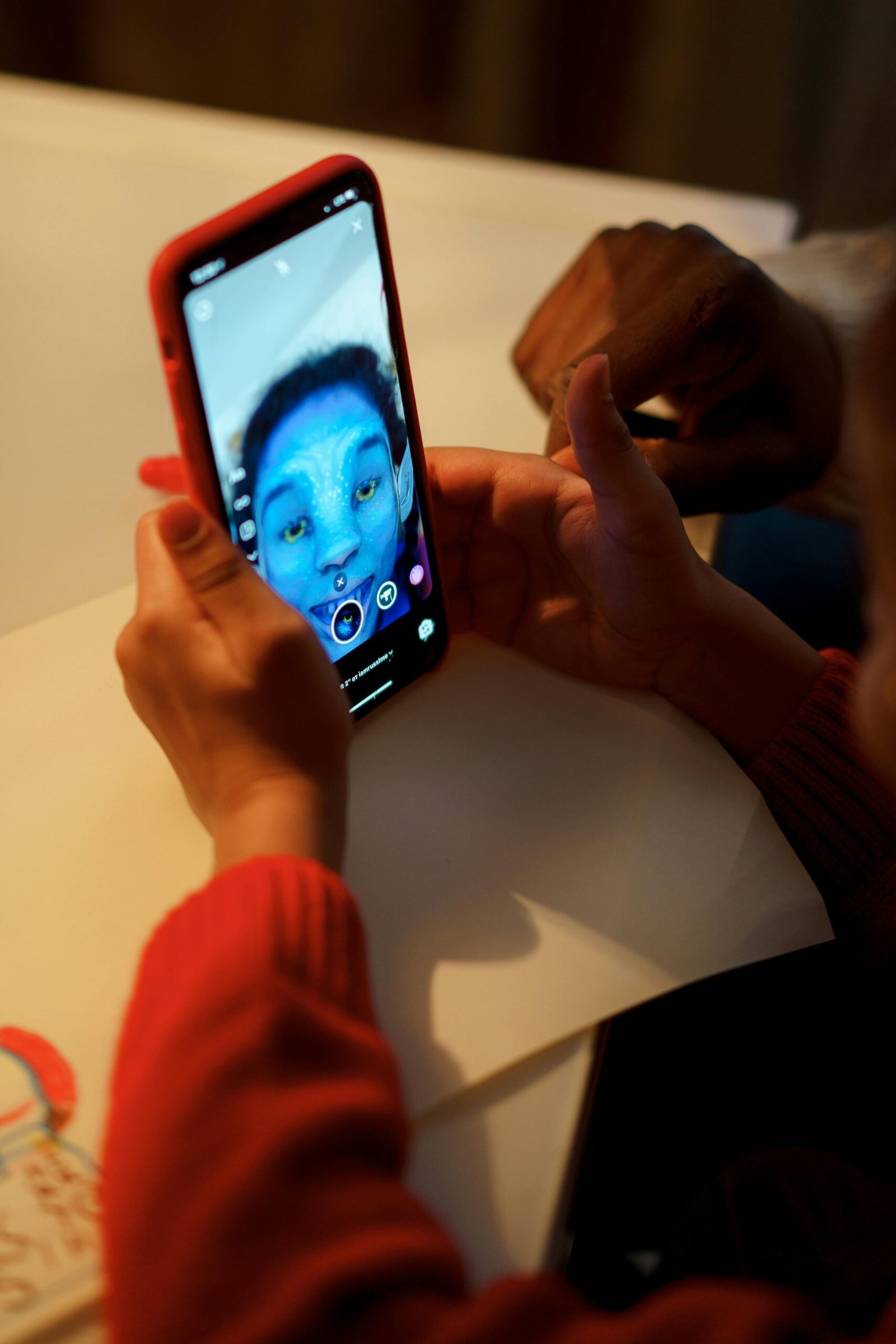
Why AI Avatars Are Transforming How Brands and Creators Show Up Online
AI avatars are reshaping digital marketing in 2026, giving businesses and creators a scalable, cost-effective way to build a consistent and compelling online presence. Whether you’re a solo entrepreneur trying to grow your personal brand or a mid-sized company looking to produce video content without expensive production budgets, AI avatars offer a practical path forward. According to a 2026 report by Synthesia, over 67% of enterprise marketing teams now use some form of AI-generated video avatar in their content workflows — a figure that has tripled since 2023. The technology has matured significantly, and if you’re not already exploring it, you’re likely leaving reach, engagement, and revenue on the table.
This guide breaks down exactly how to use AI avatars for marketing and personal branding — from choosing the right tools to deploying avatars across channels strategically. No fluff, no vague advice. Just a clear roadmap you can start using today.
Understanding What AI Avatars Actually Are in 2026
Before diving into strategy, it’s worth being precise about what we mean by AI avatars. In the context of marketing and personal branding, an AI avatar is a digitally generated human-like figure — either a realistic clone of a real person or a fully synthetic character — that can speak, gesture, and deliver content without requiring the human to be physically present on camera.
Types of AI Avatars You’ll Encounter
- Digital twin avatars: These are photorealistic replicas of a real person, trained on video footage and voice samples. Platforms like HeyGen, Synthesia, and D-ID allow users to create a digital version of themselves that can deliver scripted content in multiple languages.
- Synthetic personas: Fully AI-generated characters with no real human counterpart. These are useful for brands that want a mascot-style avatar or need to represent a concept rather than a person.
- Animated brand avatars: Stylized, non-photorealistic characters often used in explainer videos, product tutorials, and social content. Think animated spokespeople with consistent visual branding.
- Voice-only avatars: While not visual, AI voice clones are increasingly used alongside static imagery or simple video — especially in podcasting, audio ads, and customer service.
The key capability that makes all of these valuable for marketing is scalability. Once created, an AI avatar can generate dozens of videos per week without scheduling a shoot, hiring a crew, or even writing a new script from scratch. That changes the economics of content production entirely.
Building Your Personal Brand With an AI Avatar
Personal branding in 2026 is fundamentally a content volume game — but not at the expense of quality. The creators and professionals who stand out are those who maintain consistency, clarity of message, and a recognizable presence across platforms. AI avatars solve a real problem here: most people don’t have the time, comfort level, or budget to record themselves on video constantly.
Creating a Digital Version of Yourself
The process of creating a realistic AI avatar of yourself typically involves recording 5 to 15 minutes of footage in a controlled environment — good lighting, neutral background, natural speech — and uploading it to a platform like HeyGen or Synthesia Studio. The platform then trains a model on your appearance, vocal patterns, and facial movements. Within 24 to 72 hours, you have a digital version of yourself that can deliver text scripts in your voice and likeness.
For personal branding, this is transformative. You can produce LinkedIn video posts, YouTube explainers, Instagram Reels, and even personalized outreach videos — all at scale — without recording a single additional frame of real footage. Gary Vaynerchuk’s team publicly discussed using avatar-assisted content workflows in early 2026, citing a 3x increase in weekly video output without increasing production headcount.
Consistency Is the Brand
One of the most underrated benefits of using AI avatars for personal branding is enforced visual consistency. Your avatar always wears the right clothes, appears in front of the right background, and delivers content with the same energy and professionalism. This consistency builds recognition — and recognition builds trust over time.
To make this work, establish a style guide for your avatar early: background color, on-screen text style, intro/outro music, and the tone of scripts. This ensures every piece of content feels like it belongs to the same brand, even when produced weeks apart.
Multilingual Reach Without Extra Effort
Most leading AI avatar platforms in 2026 support automatic lip-sync translation into 40 or more languages. This means a single English-language video can be localized for Spanish, French, German, Hindi, and Portuguese audiences without reshoot or dubbing costs. For personal brand builders targeting global audiences — or for businesses entering new markets — this capability alone can justify the investment.
Strategic Uses of AI Avatars in Marketing Campaigns
Beyond personal branding, AI avatars are proving genuinely useful across a wide range of marketing applications. The key is matching the right use case to the right type of avatar and distribution channel.
Product Demos and Explainer Videos
Explainer videos with AI avatars convert well because they combine a human face — which builds trust — with precise, scripted messaging. A 2025 study by Wyzowl found that 89% of consumers say watching a product video directly influenced their purchase decision. AI avatars let you produce these videos at a fraction of the traditional cost, and update them instantly when product details change. No reshooting. Just edit the script and regenerate.
Personalized Video Marketing at Scale
One of the most exciting frontiers is hyper-personalized video outreach. Tools like HeyGen’s Campaign feature allow marketers to generate thousands of unique videos where the avatar addresses each recipient by name, references their company, or mentions a specific pain point. This level of personalization was previously impossible at scale. Early adopters in B2B SaaS report cold outreach reply rates jumping from under 3% to over 14% when personalized AI avatar videos replace standard email copy.
Social Media Content Automation
Social platforms in 2026 heavily reward video content — particularly short-form video on TikTok, Instagram Reels, YouTube Shorts, and LinkedIn Video. AI avatars make it feasible to post daily video content without burning out or spending hours in front of a camera. Pair an avatar platform with an AI script generator like Claude or ChatGPT, and you have a semi-automated content engine that requires only light editorial oversight.
Customer Support and Onboarding
Brands are increasingly deploying AI avatars as virtual customer support agents and onboarding guides embedded directly in their apps, help centers, and websites. These avatars can answer FAQs, walk users through product features, and reduce support ticket volume. Unlike chatbots, a video avatar creates a warmer, more human-feeling interaction that many users find more intuitive and reassuring.
Webinars and Virtual Events
AI avatars are also being used to deliver pre-recorded webinar content that feels live, translate event presentations in real time, and even host virtual summits where the speaker appears in multiple sessions simultaneously. This is particularly useful for thought leaders and executives who want to maintain a high-profile presence without the physical demands of constant travel and live appearances.
Choosing the Right AI Avatar Platform for Your Needs
The market for AI avatar tools has matured considerably, and selecting the right platform depends on your use case, budget, and technical comfort level. Here are the leading options as of 2026 and what they’re best suited for.
HeyGen
HeyGen remains the go-to choice for personal brand builders and marketers who want photorealistic digital twins. Its Instant Avatar feature requires minimal training footage, and its Campaign tool makes personalized video outreach accessible without developer resources. Pricing starts at approximately $29/month for the core tier, with enterprise plans available for high-volume users.
Synthesia
Synthesia is the enterprise standard, used by companies like Zoom, Reuters, and Heineken for internal communications, training videos, and marketing content. It offers over 230 AI avatars out of the box, plus the ability to create a custom avatar. Its Studio interface is polished and integrates well with enterprise content management workflows. Plans start at $22/month for individuals.
D-ID
D-ID specializes in animating still photographs — a useful capability for brands that want to create an avatar from a single high-quality headshot without recording video. It’s also well-suited for creative agencies producing interactive digital experiences and AI-driven storytelling campaigns.
Captions and Runway
For social-first creators, Captions offers AI avatar generation alongside automatic captioning, translation, and short-form video editing — making it an all-in-one tool for platform-native content. Runway Gen-3 is better suited for creative directors who want high-fidelity AI video with strong aesthetic control, though it requires more production knowledge to use effectively.
Key Evaluation Criteria
- Realism and lip-sync quality: Watch sample videos carefully. Subtle mouth movement errors or wooden expression can undermine credibility.
- Language and voice support: Confirm the platform supports your target languages and offers voice cloning if needed.
- API and integration access: For automated workflows, check whether the platform offers API access at your price tier.
- Content rights and data privacy: Review the terms around who owns the avatar likeness and how your training data is stored and used.
- Output resolution and format: Ensure the platform outputs in 1080p or 4K for professional use, and supports your required file formats.
Ethical Considerations and Best Practices
Using AI avatars responsibly isn’t just a moral imperative — it’s increasingly a legal and reputational one. As regulators in the US, UK, EU, and Australia tighten rules around synthetic media and digital identity, brands and creators need to stay informed and act transparently.
Disclosure and Transparency
In 2026, the FTC in the United States and the ASA in the UK both have updated guidance requiring disclosure when AI-generated likenesses are used in commercial communications. The practical standard is simple: if a viewer could reasonably believe they’re watching a real human being, you need to disclose that the content is AI-generated. A brief on-screen label, a disclosure in the video description, or a verbal mention at the start of the video all satisfy this requirement in most jurisdictions.
Avoid Deepfake Misuse
Never create AI avatars that impersonate real people without explicit consent. This includes competitors, public figures, or anyone who hasn’t provided informed permission for their likeness to be used. The legal consequences under emerging deepfake legislation are significant, and the reputational damage can be irreversible.
Maintain Authenticity in Personal Branding
There’s a paradox at the heart of using AI avatars for personal branding: the goal is to build genuine connection and trust, yet you’re using a synthetic version of yourself. The way to resolve this is to treat your avatar as a production tool, not a replacement for real engagement. Use your avatar for scripted content — tutorials, announcements, product demos — but show up as a real human for live interactions, Q&As, and community engagement. The combination signals both professionalism and authenticity.
Quality Control and Brand Safety
Always review AI-generated avatar content before publishing. Current technology, while impressive, can still produce subtle errors in expression, pronunciation, or script delivery that could embarrass your brand. Build a review step into your workflow, and never fully automate publishing without a human checkpoint.
Frequently Asked Questions
What is an AI avatar and how is it different from a regular video?
An AI avatar is a digitally generated human figure — either a realistic clone of a real person or a fully synthetic character — that can speak and deliver content without being physically recorded. Unlike a regular video, an AI avatar can be regenerated with new scripts instantly, translated into dozens of languages, and scaled to produce hundreds of content pieces without additional filming. The core difference is that production is driven by text input and AI rendering rather than a camera, crew, and physical presence.
Do I need technical skills to create an AI avatar for my brand?
No. Most leading platforms in 2026, including HeyGen and Synthesia, are designed for non-technical users. The typical workflow involves recording a short video of yourself, uploading it to the platform, typing or pasting a script, and clicking generate. No coding, video editing, or design skills are required. For more advanced workflows — such as API-driven personalized video campaigns — some technical familiarity is helpful, but platforms generally provide good documentation and support.
Are AI avatars effective for building genuine audience trust?
Yes, when used strategically. Research published in the Journal of Marketing Technology in 2025 found that audiences rated informational content delivered by high-quality AI avatars as equally trustworthy as human-recorded video, provided they knew the content was AI-assisted. The key factors are quality of the avatar, transparency about its AI nature, and consistency between the avatar’s messaging and the brand’s overall voice. Trust breaks down when audiences feel deceived — so disclosure and quality are non-negotiable.
How much does it cost to create and use an AI avatar for marketing?
Costs vary significantly by platform and usage volume. Individual creator plans typically range from $22 to $49 per month, covering a set number of video minutes per month. Business and enterprise plans, which include custom avatar creation, API access, and higher video output, range from $150 to over $1,000 per month. Compared to traditional video production — where a single professionally shot video can cost $2,000 to $20,000 — even enterprise AI avatar subscriptions represent dramatic cost savings for high-volume content teams.
Can AI avatars speak multiple languages and reach global audiences?
Yes. This is one of the most powerful capabilities of modern AI avatar platforms. Tools like HeyGen and Synthesia support automatic translation and lip-sync localization into 40 or more languages. Your avatar will appear to be speaking natively in each language, with synchronized mouth movements and translated audio. This makes global content distribution accessible even for solo creators and small businesses that previously couldn’t afford professional dubbing or localization services.
What are the legal requirements around using AI avatars in marketing?
Legal requirements are evolving rapidly. In the United States, the FTC now requires disclosure of AI-generated likenesses in commercial content. The UK’s ASA has similar guidance. Several US states have passed laws specifically governing synthetic media in advertising and political content. In Australia and Canada, consumer protection frameworks increasingly cover AI-generated content under existing false advertising statutes. The safest and most compliant approach is to always disclose AI avatar use in your content descriptions, on-screen labels, or verbal disclosures — and never use AI to impersonate another person without explicit consent.
How do I make my AI avatar content feel less robotic and more engaging?
Script quality is the single biggest factor. Write scripts that sound like natural spoken language — short sentences, conversational tone, occasional rhetorical questions. Avoid dense blocks of information and write the way people actually talk. Beyond scripting, choose a platform with high-quality lip-sync and facial expression rendering. Add dynamic elements like on-screen graphics, background music, and text overlays to maintain viewer attention. Finally, vary your avatar’s virtual environment and presentation style across videos to prevent your content from feeling repetitive or formulaic.
AI avatars have moved well past the novelty stage — they’re now a practical, proven tool for anyone serious about scaling their marketing output and building a durable online presence. The creators and brands winning in 2026 are those who combine the efficiency of AI with a clear strategic vision, consistent brand voice, and genuine respect for their audience. Start with one use case, master the workflow, and expand from there. The technology will keep improving — but the marketers who start building avatar-powered systems today will have a significant head start on those who wait.
Disclaimer: This article is for informational purposes only. Always verify technical information and consult relevant professionals for specific advice regarding legal compliance, platform terms of service, and marketing strategy.
Leave a Reply